
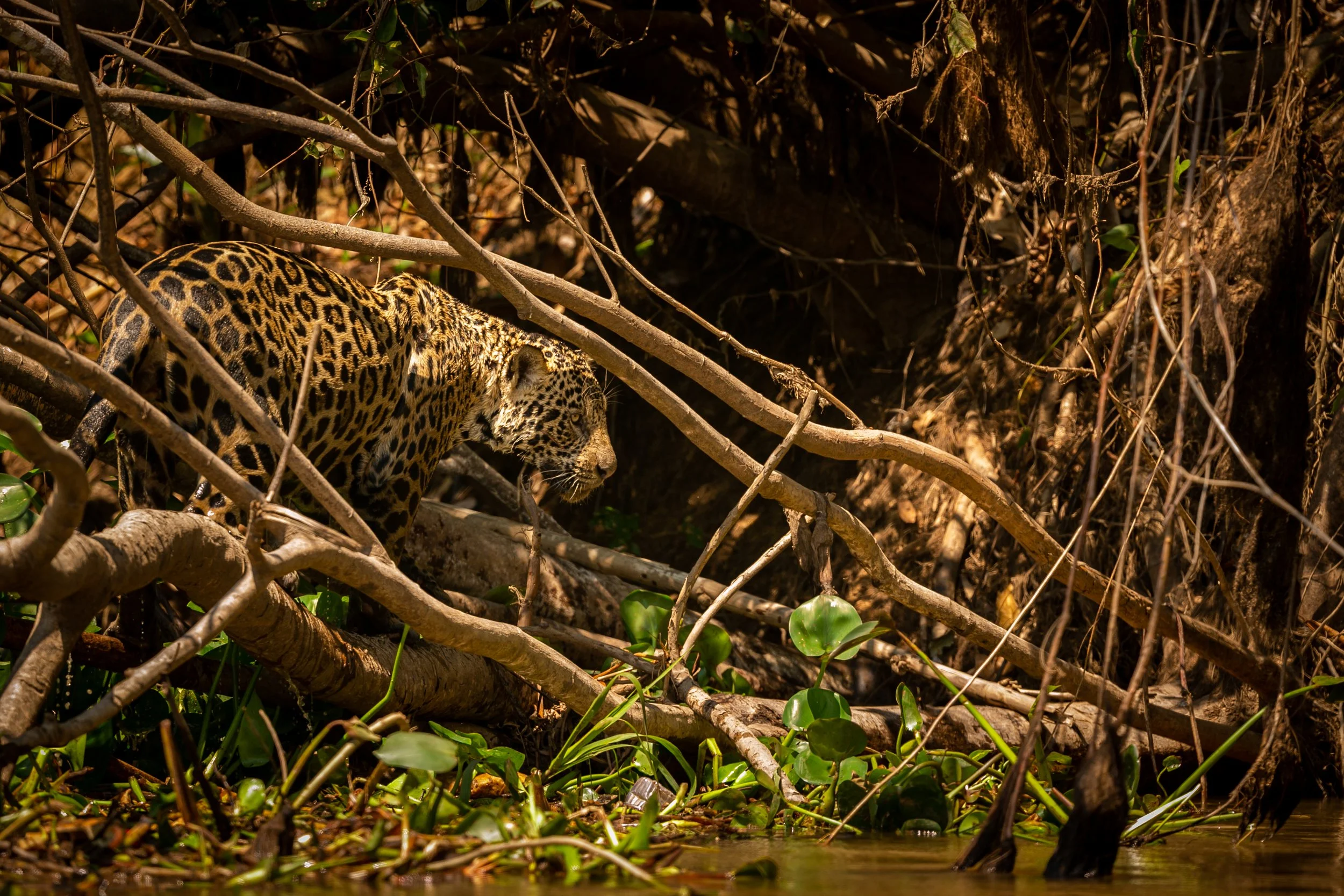
WELCOME ..SERENGETI NATIONAL PARK!..
Let Your Adventure Begin Here with better experience and quality safaris services from Ngabi tours.
We are Happy To show you the beauty of Tanzania
The Serengeti National Park is a large national park in northern Tanzania that stretches over 14,763 km2 (5,700 sq mi).[1] It is located in eastern Mara Region and northeastern Simiyu Region and contains over 15,000 km2.
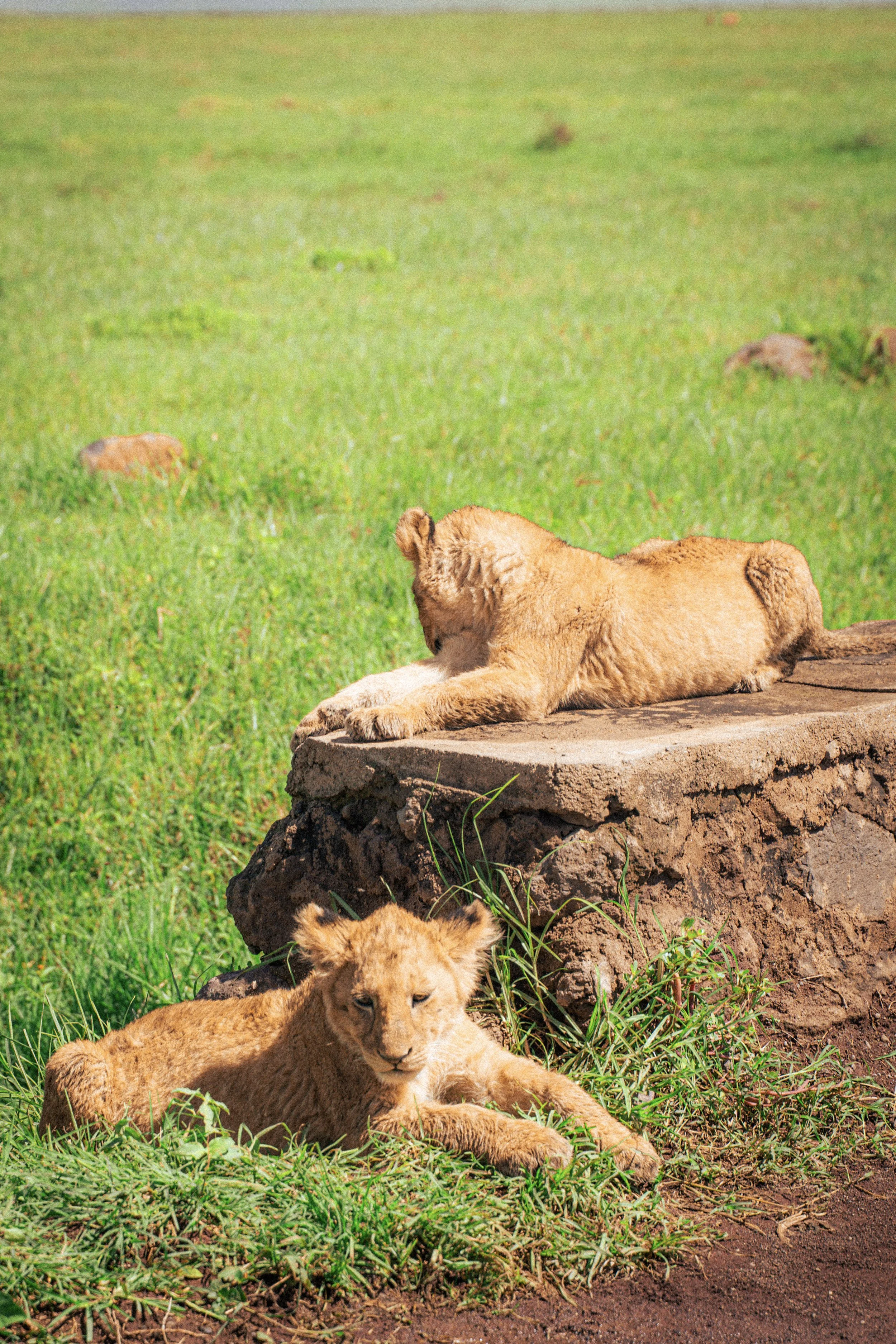
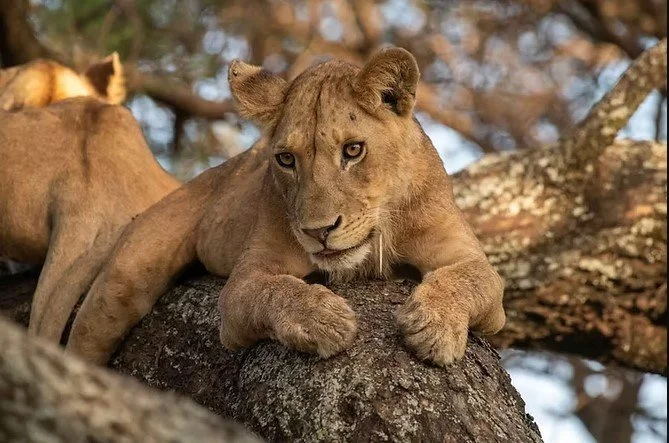
The Serengeti is well known for the largest annual animal migration in the world of over 1.5 million western white-bearded wildebeest and 250,000 Grant's zebra, along with between 400-500,000 Thomson's gazelle and smaller herds of common eland.[2] The national park is also home to the largest lion population in Africa. It is under threat from deforestation, population growth, poaching, and ranching.
Today, most visitors come here with one aim alone: to witness millions of wildebeest, zebras, gazelles and elands on a mass trek to quench their thirst for water and eat fresh grass. During this great cyclical movement, these ungulates move around the ecosystem in a seasonal pattern, defined by rainfall and grass nutrients. These large herds of animals on the move can’t be witnessed anywhere else. Whereas other famous wildlife parks are fenced, the Serengeti is protected, but unfenced. Giving animals enough space to make their return journey, one that they’ve been doing for millions of years. Read more about the Great Migration.
SERENGETI NATIONAL PARK
The greatest wildlife

Let the great migration in this dynamic ecosystem move you.
It’s the only place where you can witness millions of migrating wildebeest over the Acacia plains, it’s the cradle of human life, and probably the closest to an untouched African wilderness you will ever get: welcome to Serengeti National Park.
Where time seems to stand still, despite the thousands of animals constantly on the move.
Great Migration
The park’s most famous spectacle is the Great Migration, a cyclical journey of over 1.5 million wildebeest, accompanied by hundreds of thousands of zebras and gazelles. This annual movement, driven by rainfall and grazing patterns, spans over 1,000 kilometers and includes perilous river crossings and predator encounters. It is considered one of the greatest natural events on Earth.
This migration is driven by seasonal rainfall and follows a predictable pattern:
December–March: Calving season in the southern plains, attracting predators and offering dramatic wildlife interactions.
April–May: Herds move northwest through the Western Corridor.
June–July: River crossings at the Grumeti River.
August–October: Northern Serengeti and Mara River crossings.
November: Return south as rains begin.
This cycle is not only a marvel of nature but also a vital ecological process that sustains predator populations and maintains grassland health.
Conservation and Global Recognition
Serengeti was designated a UNESCO World Heritage Site in 1981 for its outstanding ecological value. It is also part of the Man and Biosphere Reserve program, emphasizing sustainable coexistence between nature and human activity.
Conservation efforts focus on protecting migratory routes, combating poaching, and managing tourism impact. The park is governed by the Tanzania National Parks Authority (TANAPA), which enforces strict regulations to preserve its integrity.
Landscape and Geography
The name “Serengeti” derives from the Maasai word “Siringet,” meaning “endless plains.” This aptly describes the park’s sweeping grasslands, punctuated by acacia woodlands, rocky outcrops (kopjes), and seasonal rivers. The terrain supports a diverse range of habitats, from open savannas to riverine forests, making it ideal for a wide array of wildlife species.
The park is divided into distinct zones:
Southern Plains: Prime calving grounds during the migration season.
Western Corridor: Characterized by riverine forests and crocodile-infested Grumeti River.
Northern Serengeti: Less visited, but crucial for the migration’s dramatic river crossings.
Beyond Wildlife
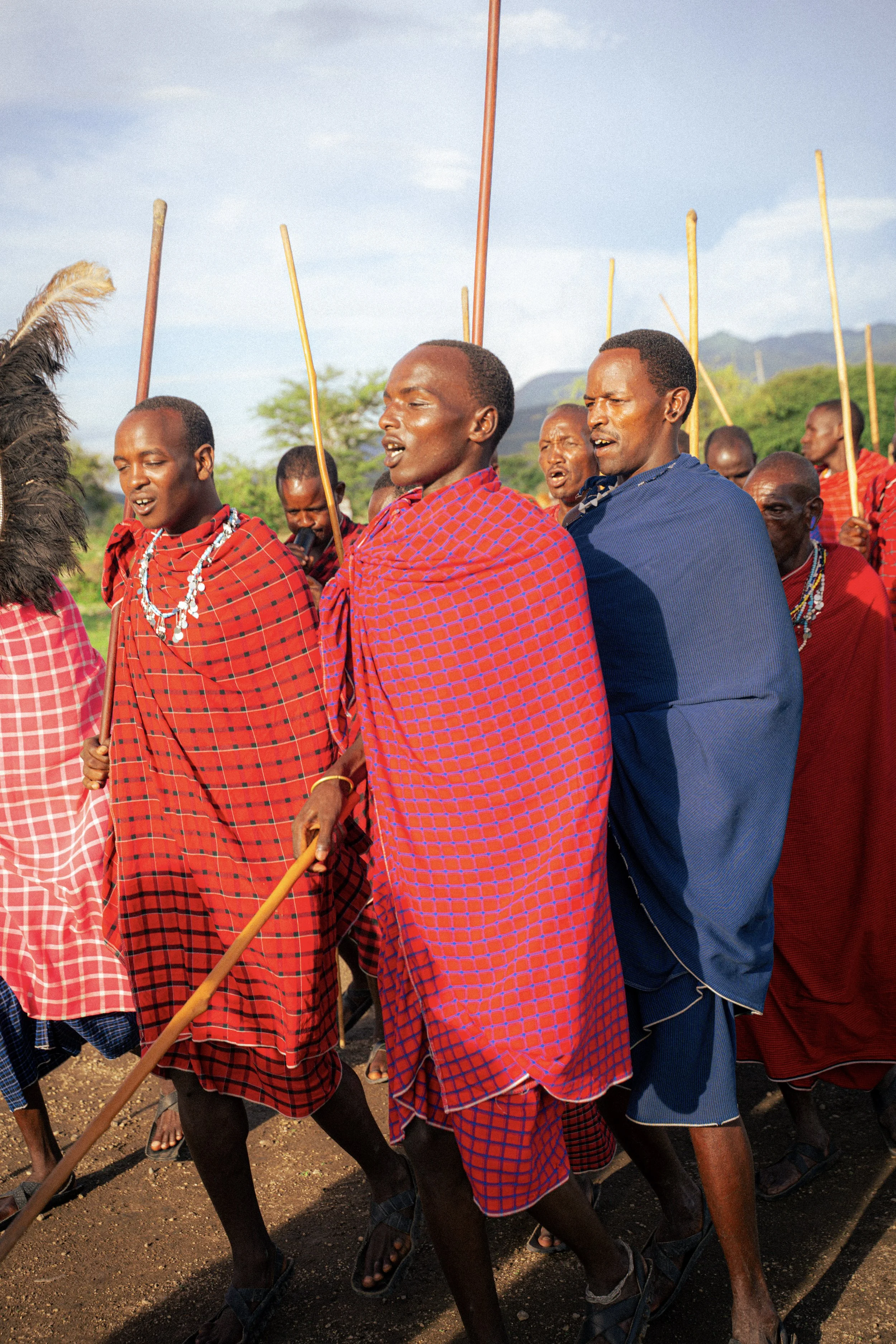
While Serengeti is primarily a wildlife refuge, it also holds cultural importance. The surrounding areas are inhabited by Maasai communities who maintain traditional pastoralist lifestyles. Their presence adds a human dimension to the ecosystem, echoing the region’s long history of coexistence between people and nature.
Nearby, the Olduvai Gorge—technically within the Ngorongoro Conservation Area—offers archaeological insights into early human evolution, linking Serengeti to the broader narrative of human origins.


ECOLOGICAL DIVERSITY
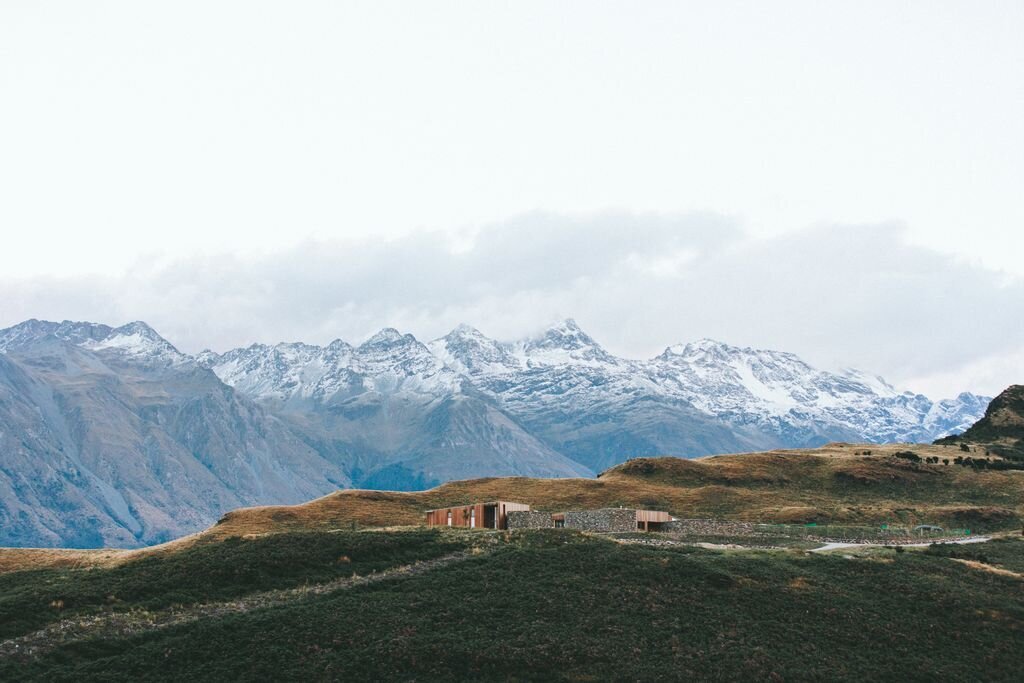
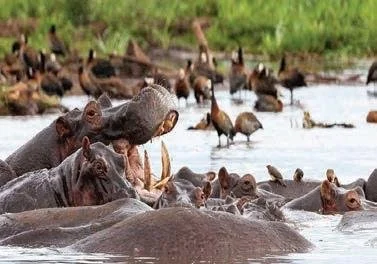
Serengeti National Park's forest ecosystem diversity results from its varied habitats, including groundwater forests, acacia woodlands, and wetlands, which support a wide array of unique flora and fauna. The dense groundwater forests, rich in fig and mahogany trees, are home to primates like baboons and blue monkeys and provide sanctuary for numerous bird species. These diverse forest environments, combined with the alkaline lake, grasslands, and hot springs, create a rich mosaic of habitats supporting both iconic large mammals and exceptional birdlife, making it a "microcosm of East Africa's biodiversity"