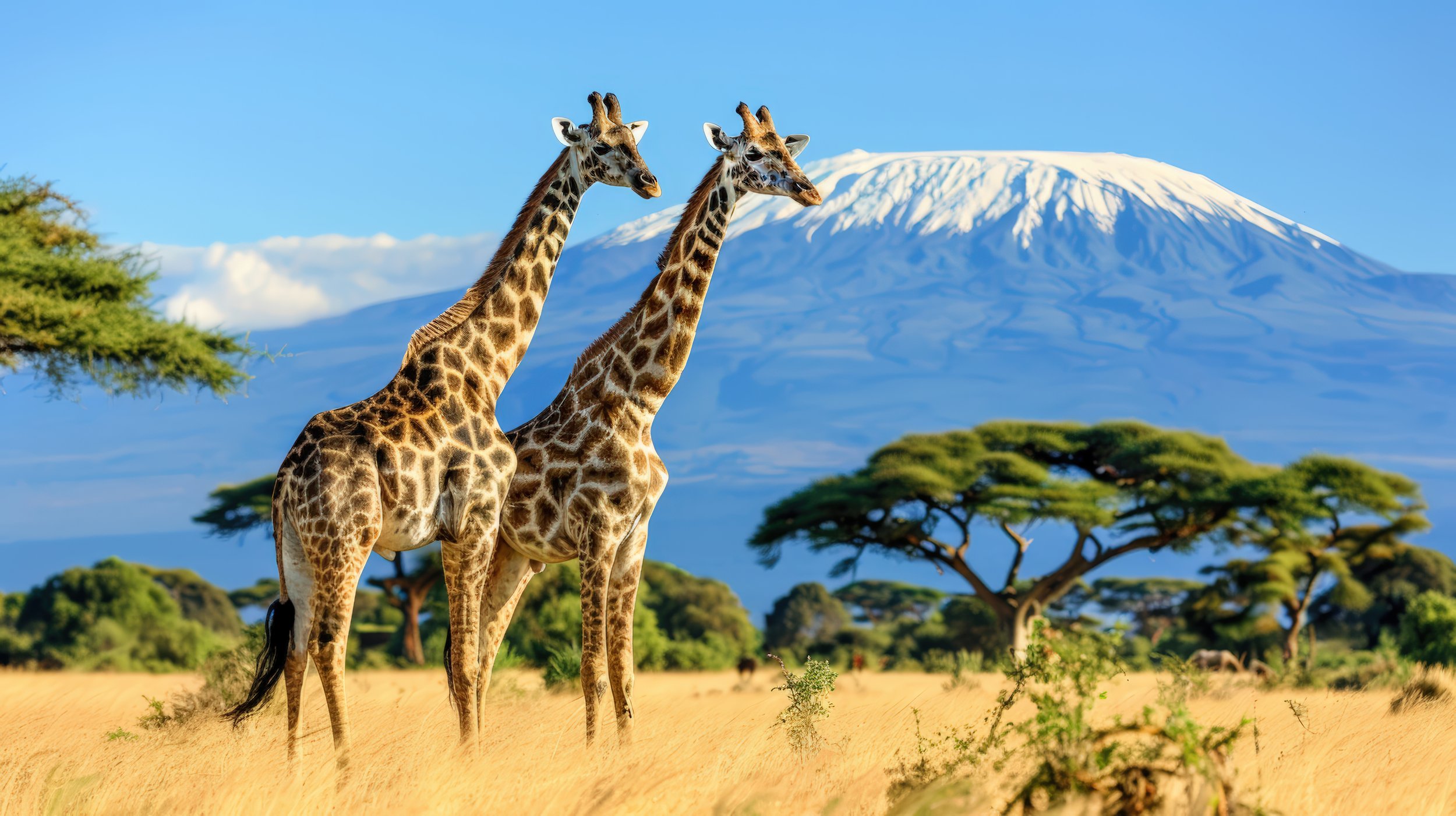
WELCOME MOUNT KILIMANJARO
We are Happy To show you the beauty of Tanzania
“Africa’s Towering Crown of Ice and Stone”
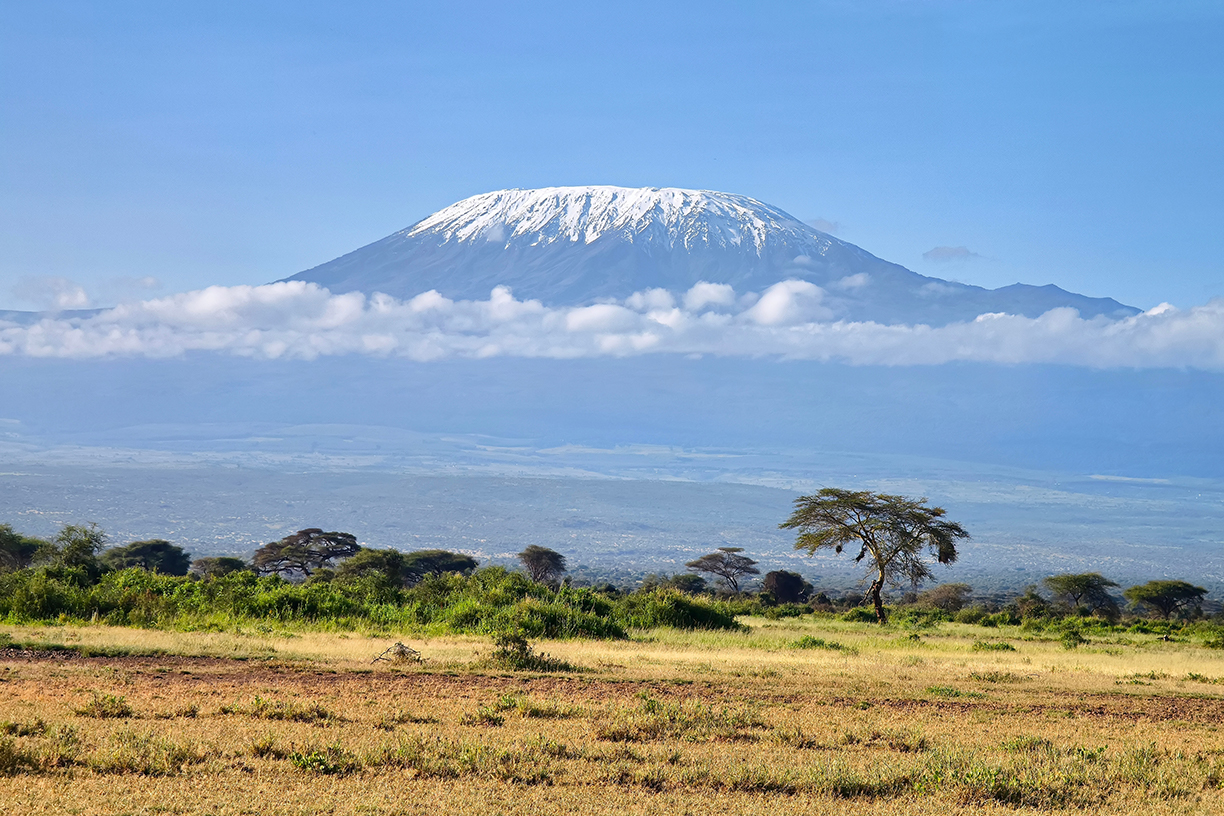
Rising majestically above the plains of northern Tanzania, Mount Kilimanjaro is one of the most iconic and awe-inspiring natural landmarks on Earth. At 5,895 meters (19,341 feet) above sea level, it is the highest mountain in Africa and the tallest free-standing mountain in the world. Revered by climbers, scientists, and storytellers alike, Kilimanjaro is more than a mountain—it is a symbol of endurance, ecological wonder, and cultural heritage.
Attracting thousands of trekkers annually who seek the challenge of reaching its snow-capped summit without needing technical climbing skills.
MOUNT KILIMANJARO
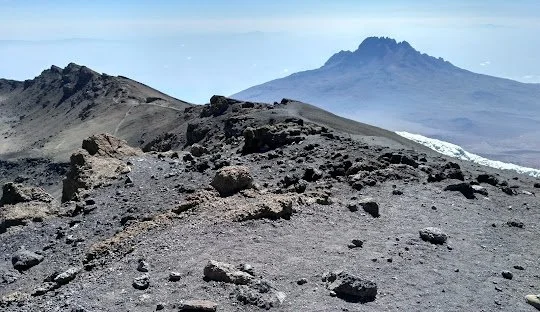
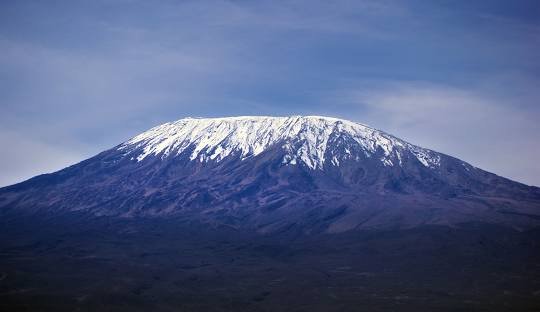
Mount Kilimanjaro is a stratovolcano, formed by successive eruptions along the East African Rift System. It comprises three volcanic cones:
Kibo – the central and highest cone, home to the summit known as Uhuru Peak.
Mawenzi – a jagged, eroded peak to the east, rising to 5,149 meters.
Shira – the oldest cone, now a broad plateau on the western flank.
While Kibo is dormant, it still exhibits geothermal activity, including fumaroles near the crater rim. The mountain’s volcanic history has shaped its dramatic topography and diverse ecosystems.
Ecological Zones and Biodiversity
Kilimanjaro’s slopes host five distinct ecological zones, each defined by altitude, climate, and vegetation:
Cultivation Zone (800–1,800 m): Fertile lower slopes used for farming by the Chagga people.
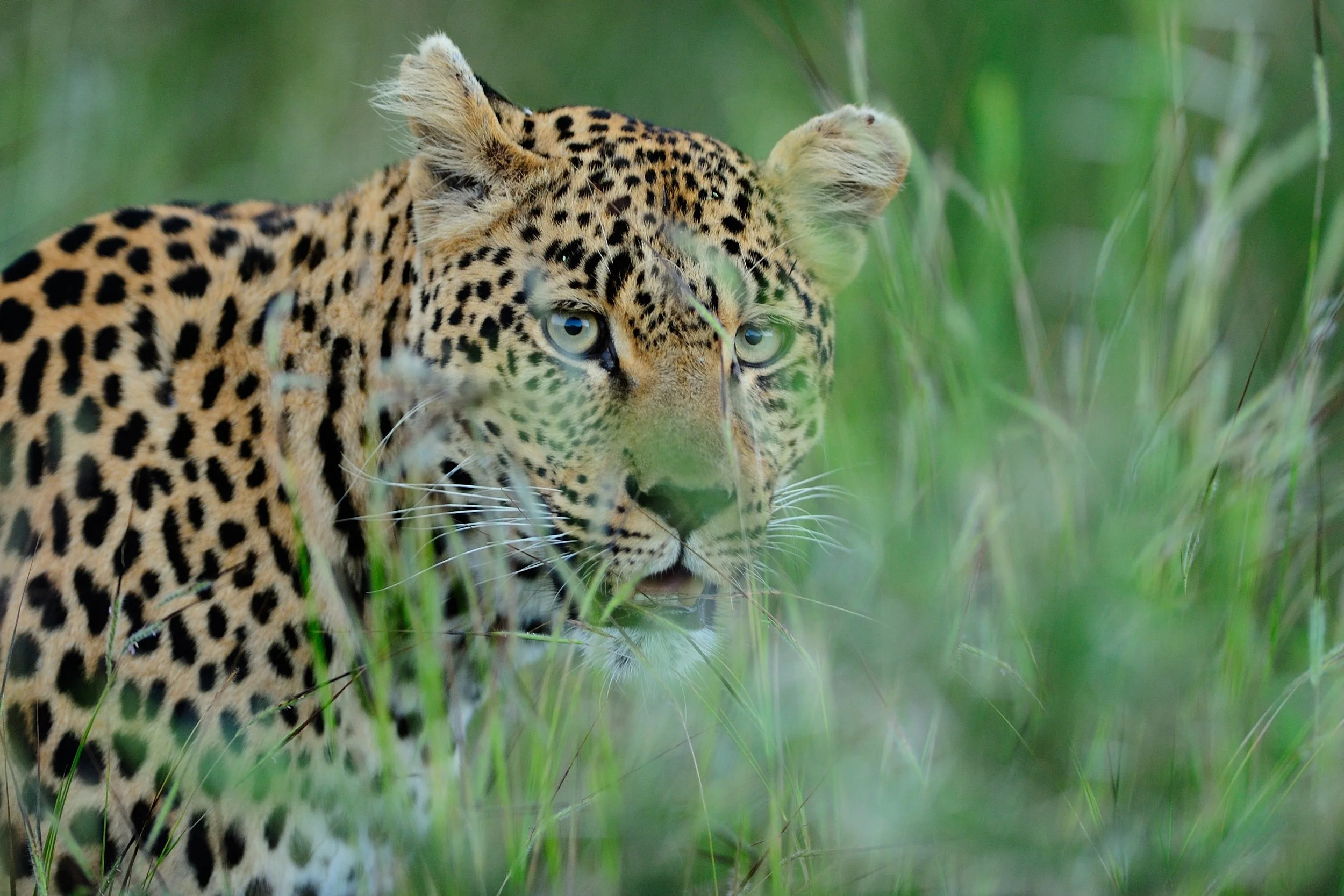
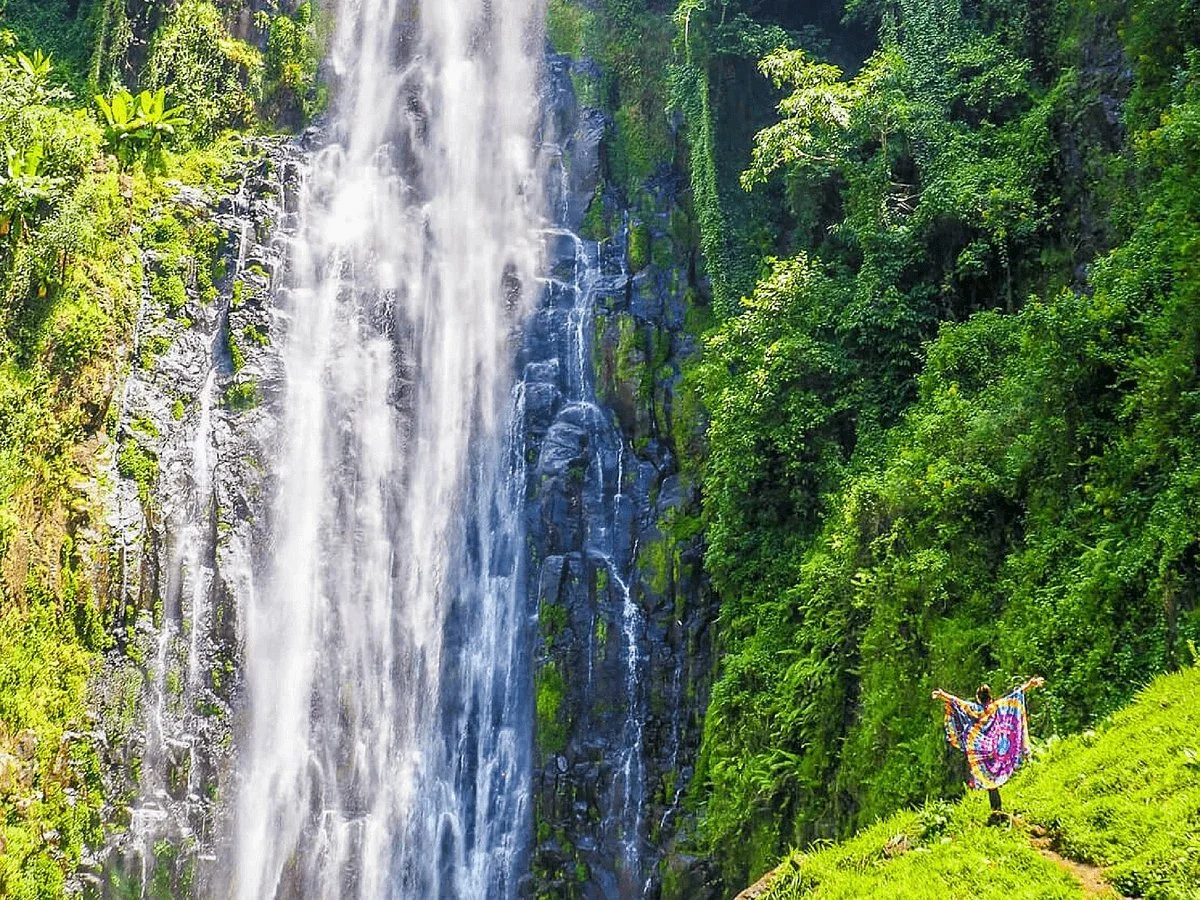
Montane Forest (1,800–2,800 m): Dense rainforest teeming with wildlife such as colobus monkeys, blue monkeys, and turacos.
Heather and Moorland (2,800–4,000 m): Characterized by giant groundsels, lobelias, and misty moorlands.
Alpine Desert (4,000–5,000 m): Harsh, dry terrain with sparse vegetation and extreme temperature fluctuations.
Arctic Summit (above 5,000 m): A stark, icy landscape of glaciers, scree, and volcanic rock.
This vertical ecological gradient supports a wide range of flora and fauna, some of which are endemic to the mountain. However, Kilimanjaro’s glaciers have been retreating rapidly due to climate change, raising concerns about the long-term future of its summit ice fields.
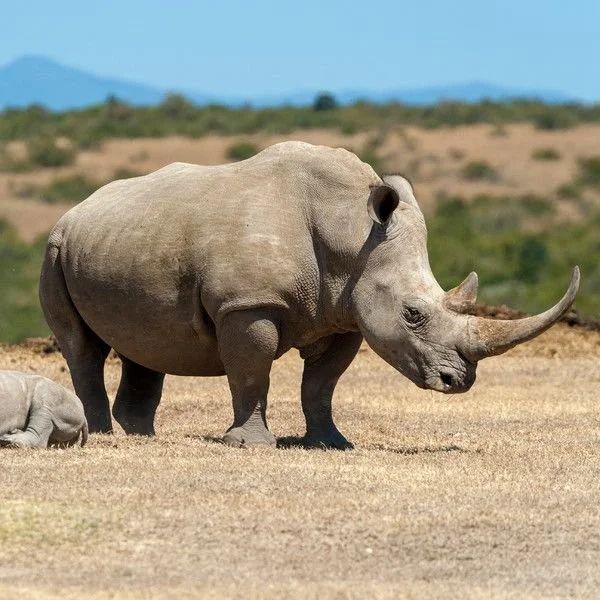
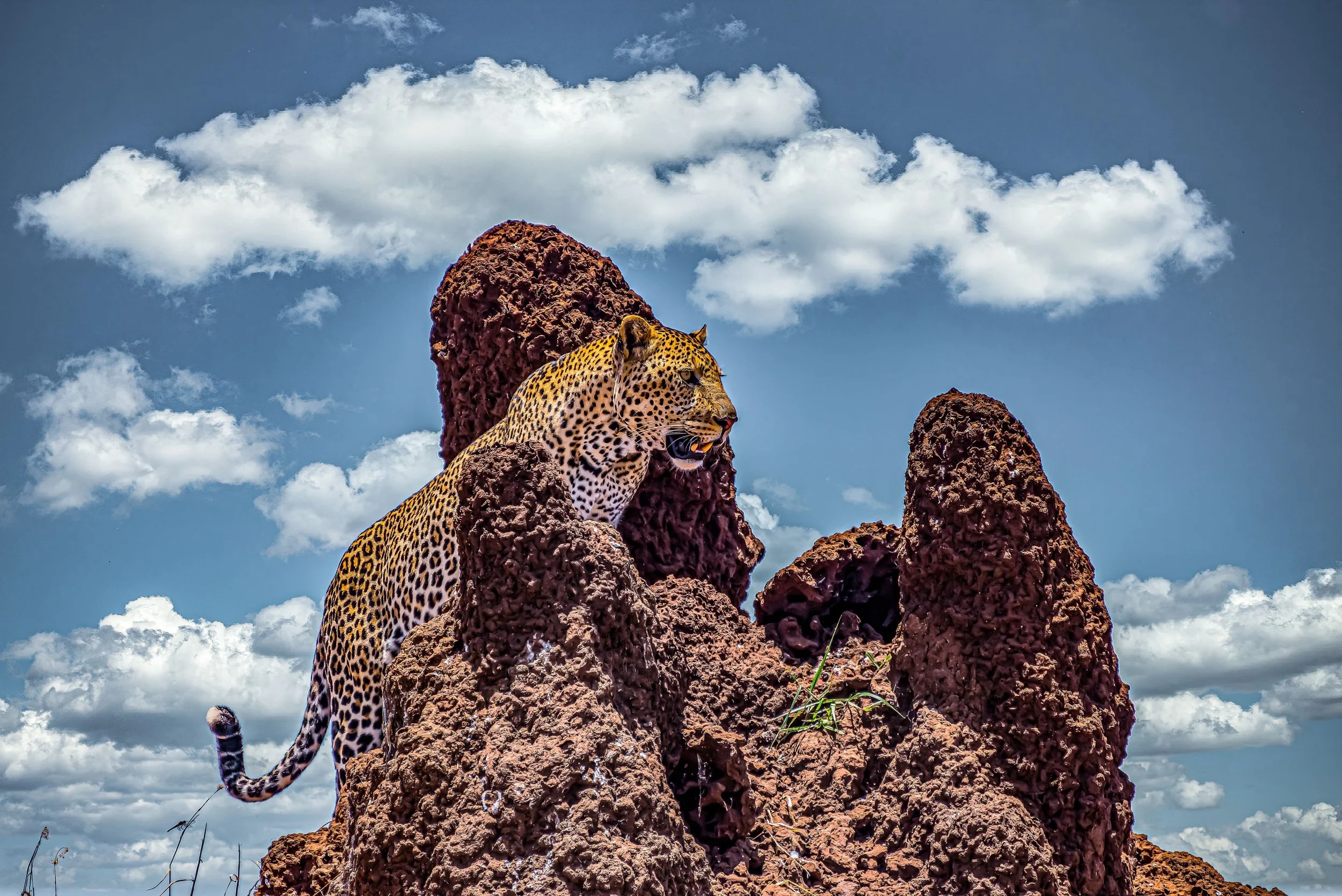
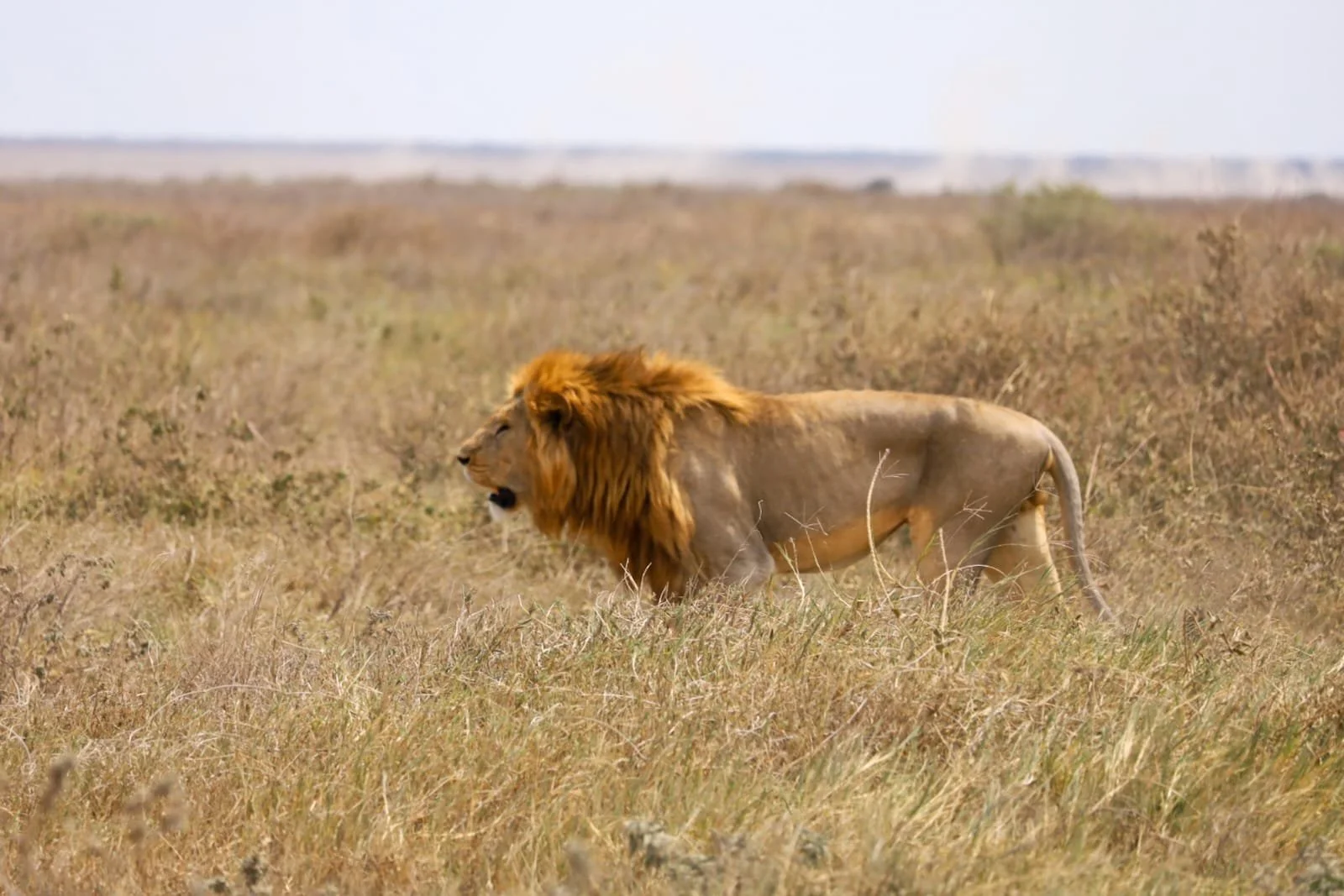
Geography and Landscapes
Climbing Kilimanjaro: Routes and Experience
Mount Kilimanjaro is one of the world’s most accessible high-altitude climbs, requiring no technical mountaineering skills. Each year, over 30,000 climbers attempt to reach Uhuru Peak. The most popular routes include:
Marangu Route: Known as the “Coca-Cola route,” it offers hut accommodations and a relatively gentle ascent.
Machame Route: The “Whiskey route,” favored for its scenic variety and better acclimatization profile.
Lemosho and Shira Routes: Remote and less crowded, ideal for those seeking solitude and gradual elevation gain.
Rongai Route: Approaches from the north, drier and quieter.
Umbwe Route: Steep and direct, suited for experienced trekkers.
Climbs typically take 5 to 9 days, depending on the route and acclimatization schedule. Success depends on physical fitness, mental resilience, and proper altitude adaptation.
Cultural and Historical Significance
Kilimanjaro holds deep cultural meaning for the Chagga people, who inhabit its lower slopes. They regard the mountain with reverence, and their oral traditions are rich with legends about its snow-capped summit. The name “Kilimanjaro” is thought to derive from Swahili and Chagga words meaning “Mountain of Greatness” or “Shining Mountain.”
The mountain also holds symbolic value for Tanzania and Africa at large. Uhuru Peak—named after the Swahili word for “freedom”—was so designated in 1961 to commemorate Tanzania’s independence.
Conservation and Global Recognition
Kilimanjaro is protected within Kilimanjaro National Park, established in 1973 and designated a UNESCO World Heritage Site in 1987. Conservation efforts focus on:
Preserving biodiversity and endemic species.
Managing tourism impact and waste.
Monitoring glacial retreat and climate effects.
Despite these efforts, the mountain faces challenges such as deforestation, illegal logging in buffer zones, and the long-term effects of global warming.
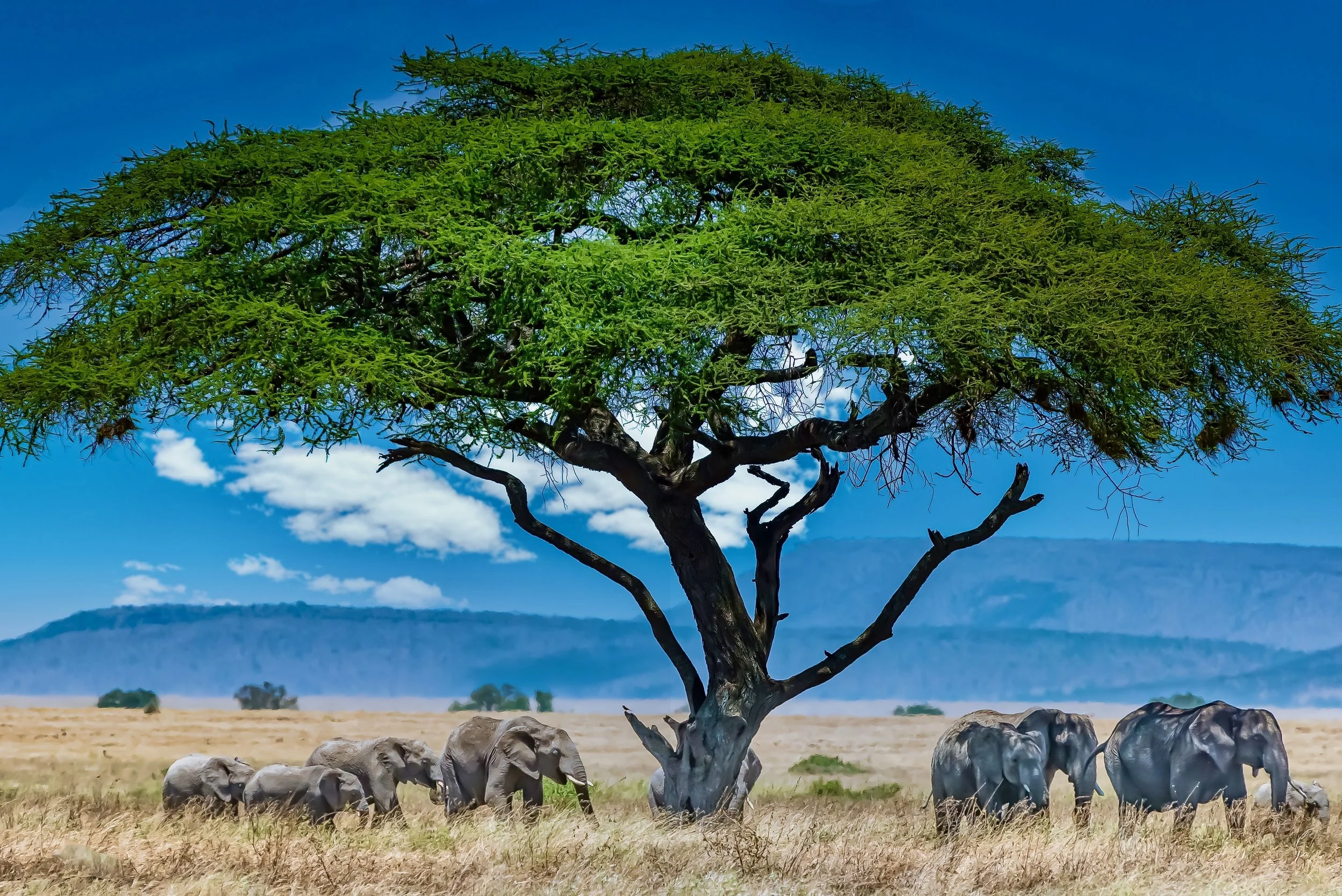
ECOLOGICAL DIVERSITY
Mount Kilimanjaro is more than a geographical marvel—it is a living monument to the power of nature and the spirit of exploration. Its snow-capped summit, rising above the African plains, has inspired generations of climbers, conservationists, and dreamers. Whether viewed from afar or experienced on foot, Kilimanjaro offers a journey not only across landscapes but also into the heart of what it means to challenge oneself and connect with the natural world.