TARANGIRE NATIONAL PARK
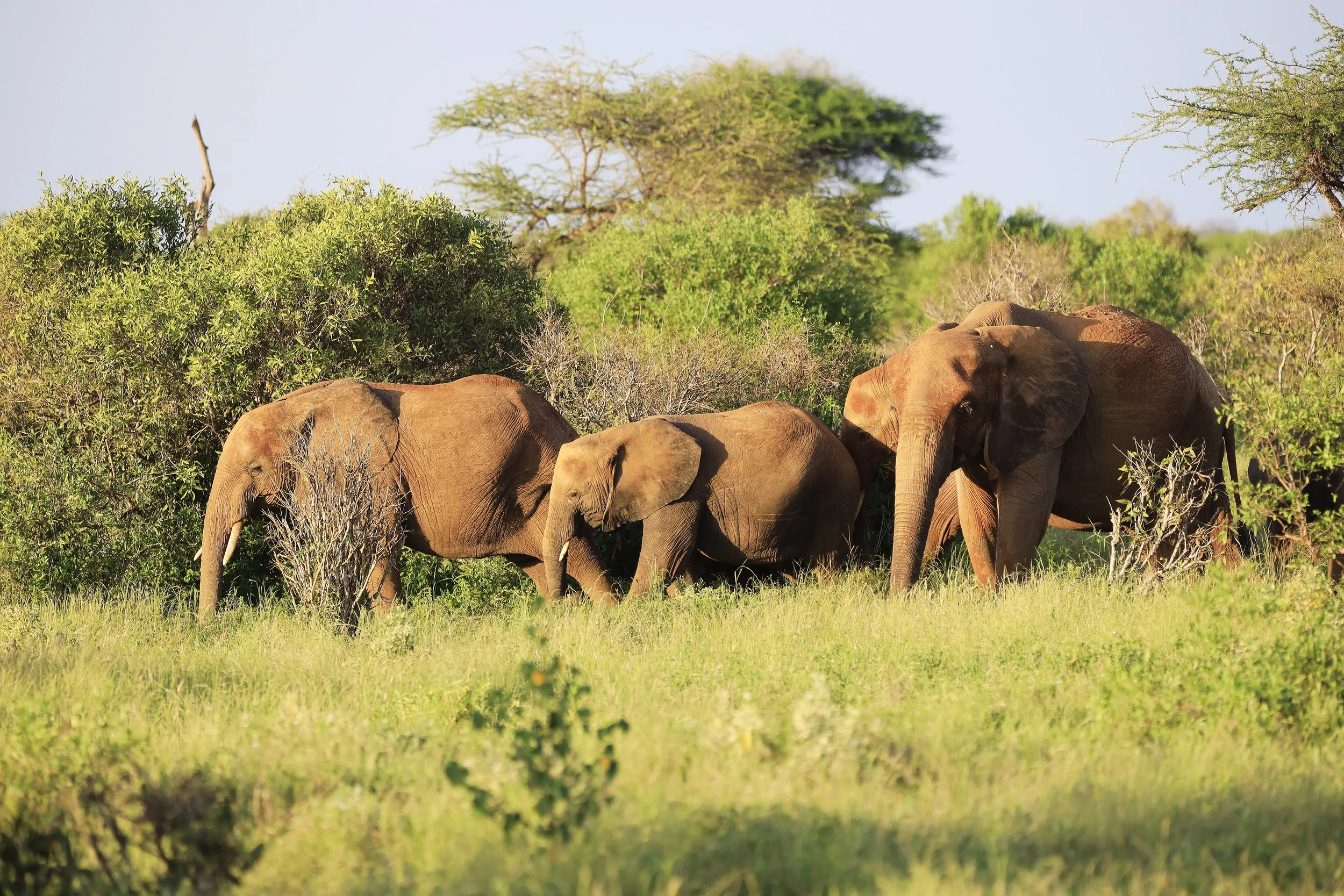
“The Paradise of Elephants”
We are Happy To show you the beauty of Tanzania
WELCOME TO TARANGIRE NATIONAL PARK
Tarangire National Park is Tanzania’s sixth-largest national park, famed for its massive elephant herds, ancient baobab trees, and seasonal concentration of wildlife around the Tarangire River. It offers a quieter, more intimate safari experience compared to its northern circuit neighbors.
The park is located in Northern Tanzania, about 120 km (75 miles) southwest of Arusha, making it easily accessible by road (about 2-3 hours drive) or charter flight.
Tarangire National Park, located in northern Tanzania, is a vital component of the country’s Northern Safari Circuit. Established in 1970, the park spans approximately 2,850 square kilometers, making it the sixth-largest national park in Tanzania. It lies about 118 kilometers southwest of Arusha, making it easily accessible for day trips or multi-day safaris.
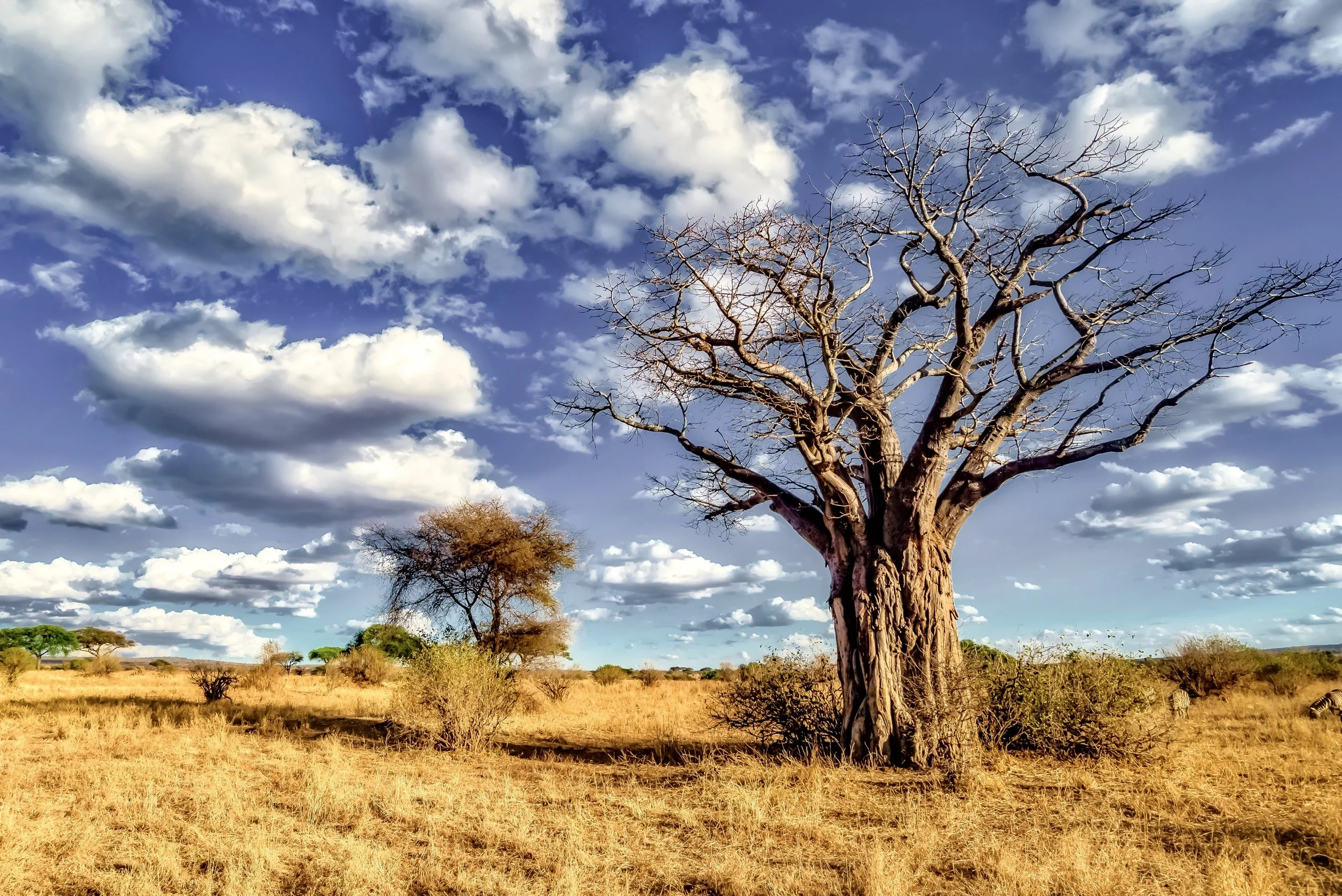
The park is named after the Tarangire River, which flows through its heart and serves as a lifeline for wildlife during the dry season. The landscape is characterized by rolling hills, open savannas, seasonal swamps, and towering baobab trees, some of which are estimated to be over 1,000 years old. These ancient trees not only define the park’s visual identity but also provide shelter and food for various species.
Geography and Landscapes

Wildlife and Biodiversity
Tarangire is renowned for its exceptionally high density of wildlife, especially during the dry season (June to October), when animals migrate from surrounding areas to access the permanent water of the Tarangire River. The park hosts:
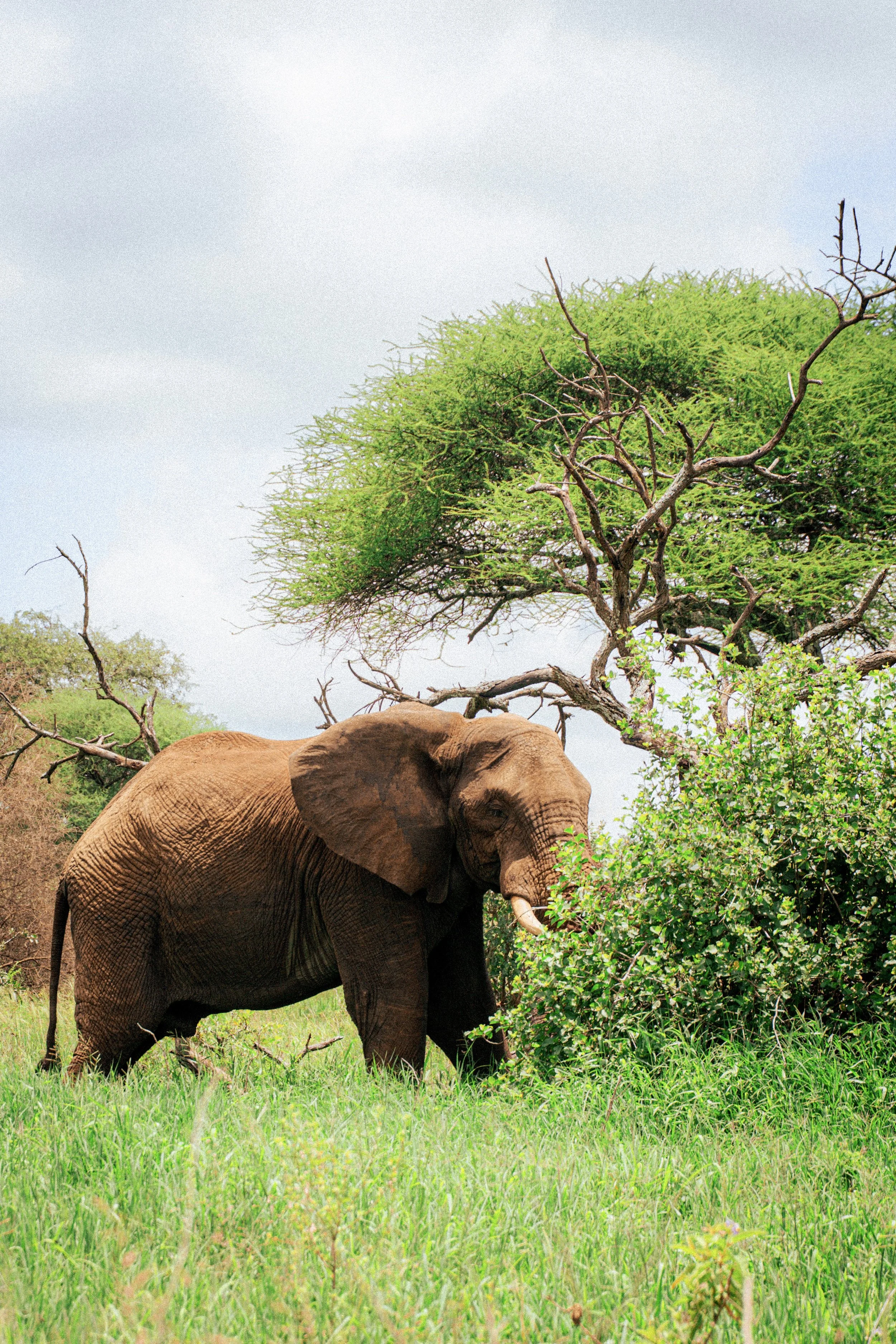
Over 3,000 elephants, often seen in large herds—among the largest concentrations in East Africa.
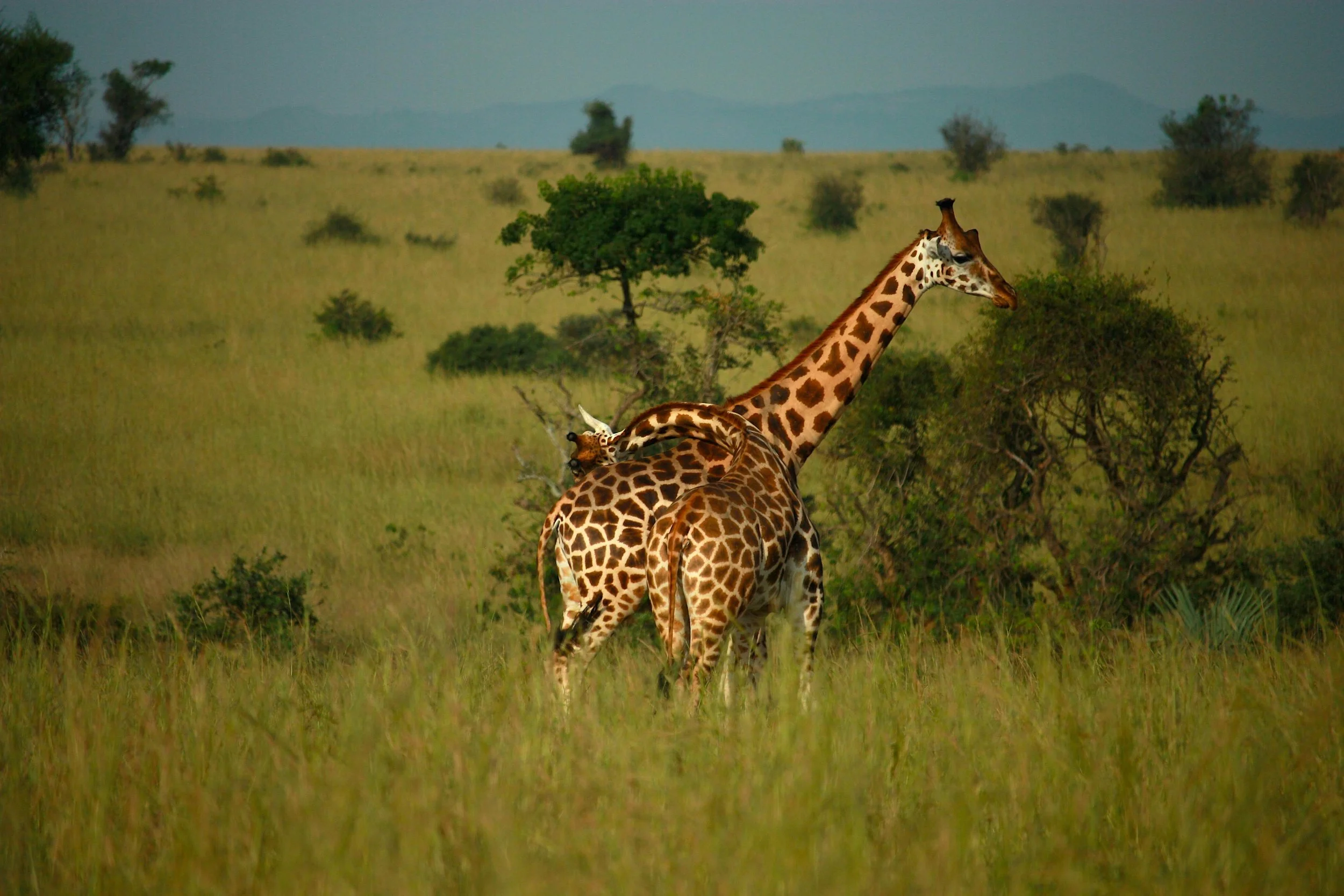
Buffaloes, wildebeest, zebras, impalas, elands, and giraffes, which gather in the river valley.
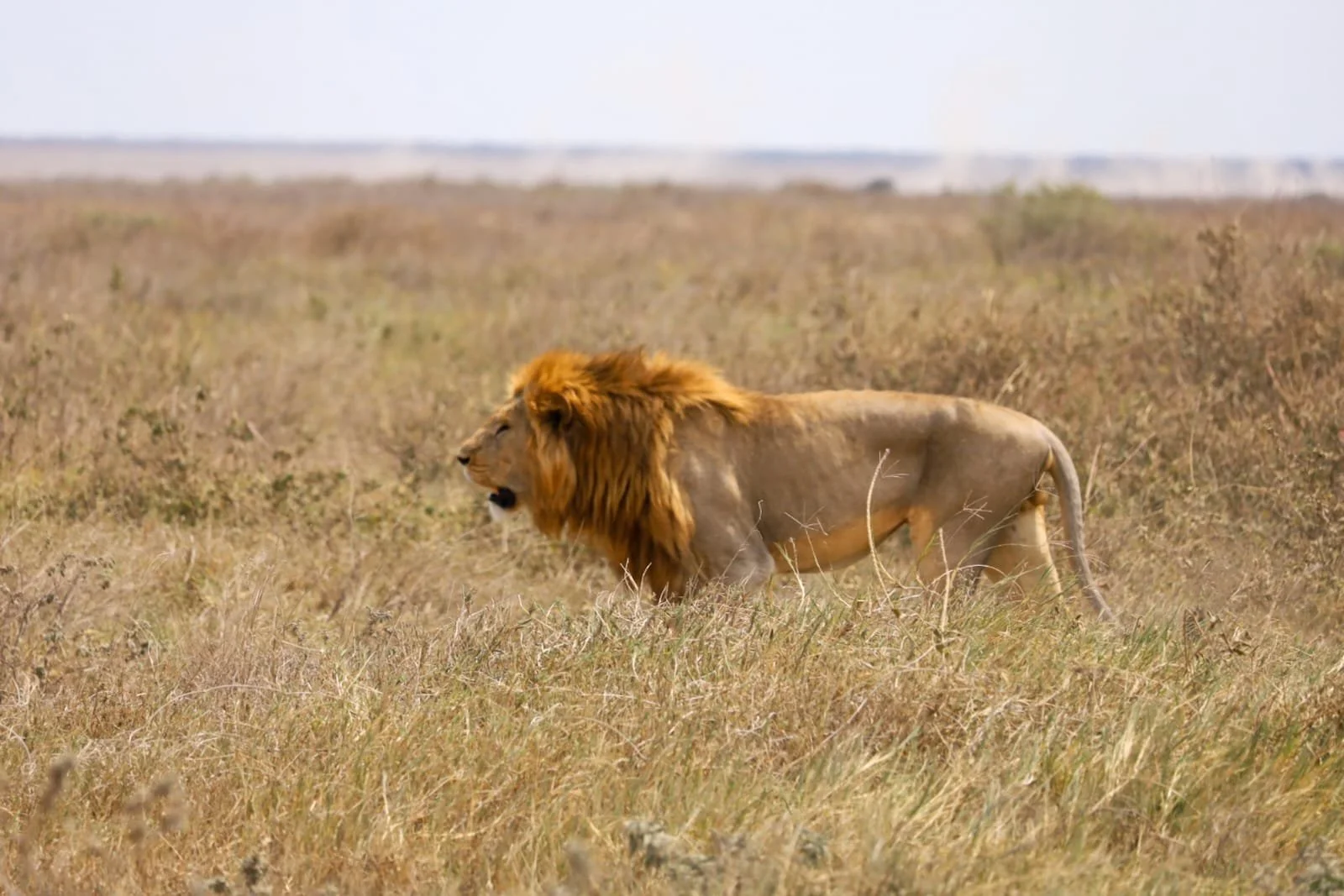
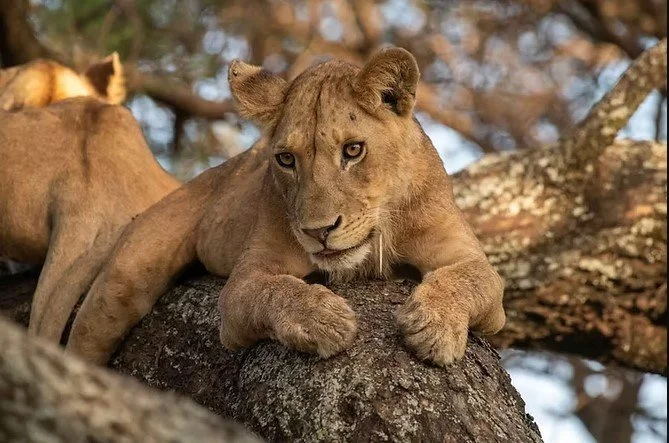
Lions, leopards, cheetahs, and hyenas, drawn by the abundance of prey.
Rare species such as fringed-eared oryx, lesser kudu, and African wild dogs.
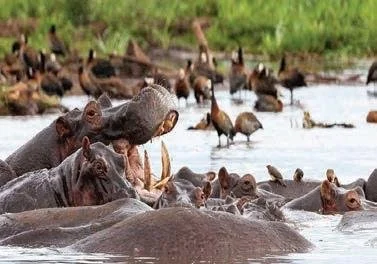
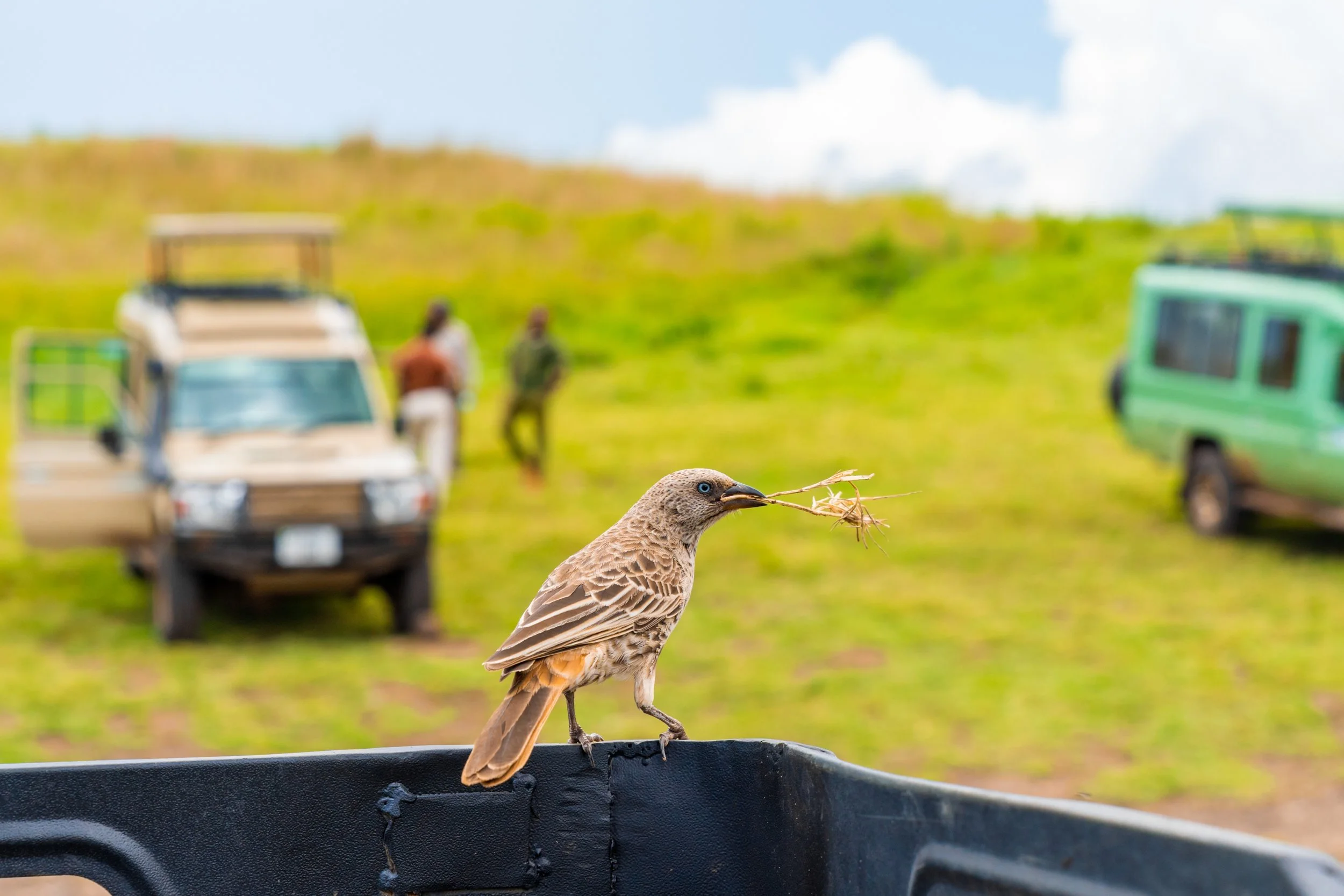
Tarangire is also a birdwatcher’s paradise, with over 550 bird species recorded. Highlights include:
Yellow-collared lovebirds, endemic to the region.
Kori bustards, Africa’s heaviest flying bird.
Secretary birds, hornbills, and fish eagles.
Tourism and Safari Experience
Tarangire offers a quieter, more exclusive safari experience compared to Serengeti or Ngorongoro. Its lower visitor density allows for intimate wildlife encounters and peaceful game drives. Activities include:
Game drives: Morning and afternoon safaris through varied terrain.
Walking safaris: Guided hikes in designated zones, offering close-up views of flora and fauna.
Birdwatching tours: Especially rewarding near swamps and riverbanks.
Cultural visits: Interactions with Maasai and Barabaig communities.
Accommodation ranges from luxury lodges to mid-range tented camps, including:
Sanctuary Swala Camp – secluded luxury in the park’s southwest.
Oliver’s Camp – known for walking safaris and wilderness immersion.
Maramboi Tented Lodge – located near Lake Manyara, offering views of both parks.
Tarangire is often included in multi-park itineraries, paired with Lake Manyara, Ngorongoro, and Serengeti.
ECOLOGICAL DIVERSITY
Tarangire’s ecological significance lies in its role as a dry-season refuge. While many animals disperse across the Maasai Steppe during the rains, they return to Tarangire when water becomes scarce. This seasonal migration creates dramatic wildlife concentrations and supports predator-prey dynamics.
The park is part of the Greater Tarangire Ecosystem, which includes community lands and wildlife corridors.
Challenges include encroachment, climate change, and balancing tourism with ecological integrity. Collaborative projects with local communities aim to promote sustainable livelihoods and wildlife stewardship.