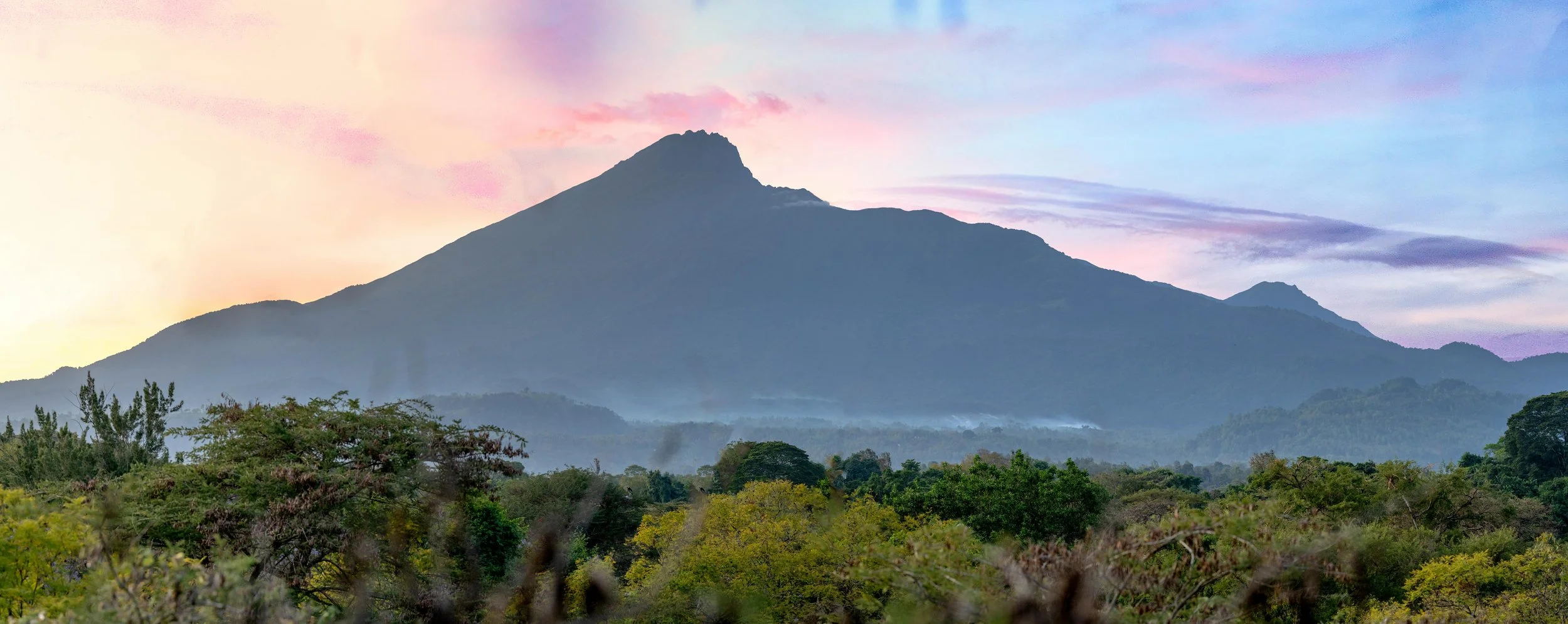
ARUSHA NATIONAL PARK
“A Rewarding Hiking Destination”
We are Happy To show you the beauty of Tanzania

WELCOME TO ARUSHA NATIONAL PARK
Nestled between Mount Meru and Mount Kilimanjaro in northern Tanzania, Arusha National Park is a hidden gem that offers a rich blend of landscapes, wildlife, and adventure—all within easy reach of Arusha City. Covering just 137 square kilometers, it is one of Tanzania’s smallest national parks, yet its diversity rivals that of much larger reserves. Established in 1960, the park is managed by the Tanzania National Parks Authority (TANAPA) and classified as an IUCN Category II protected area.
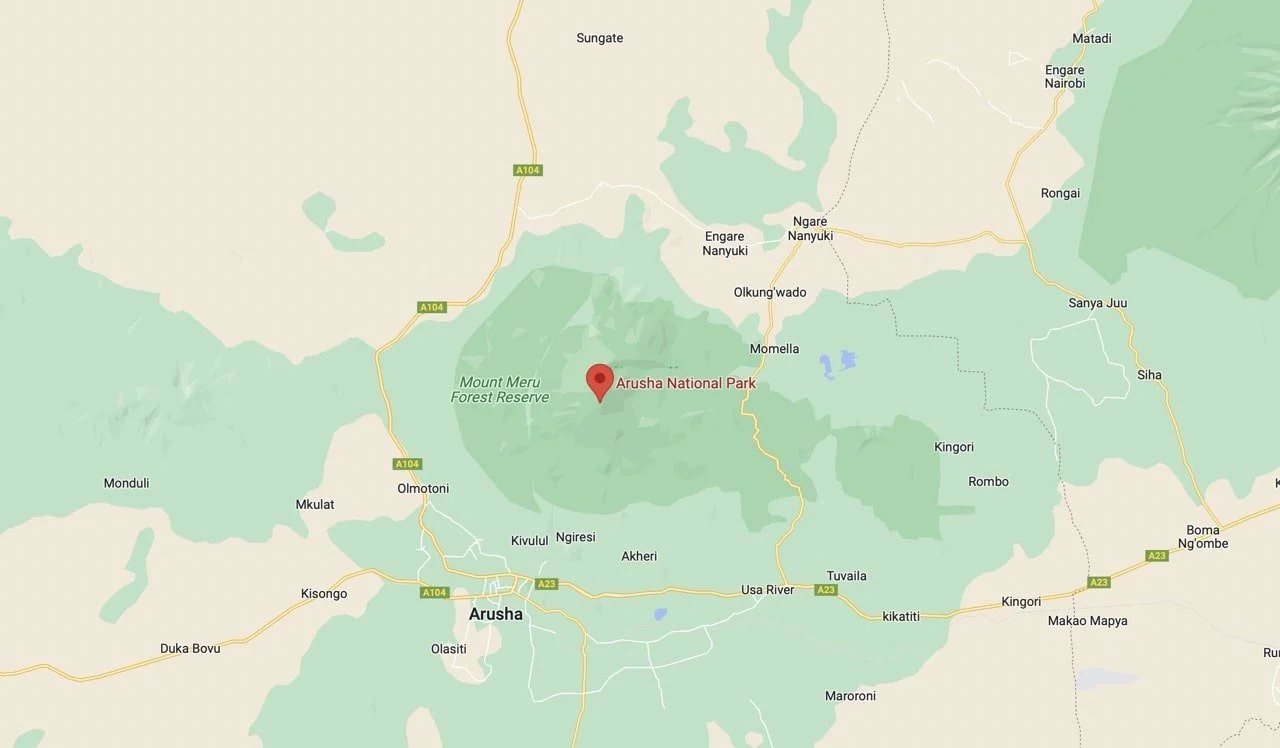
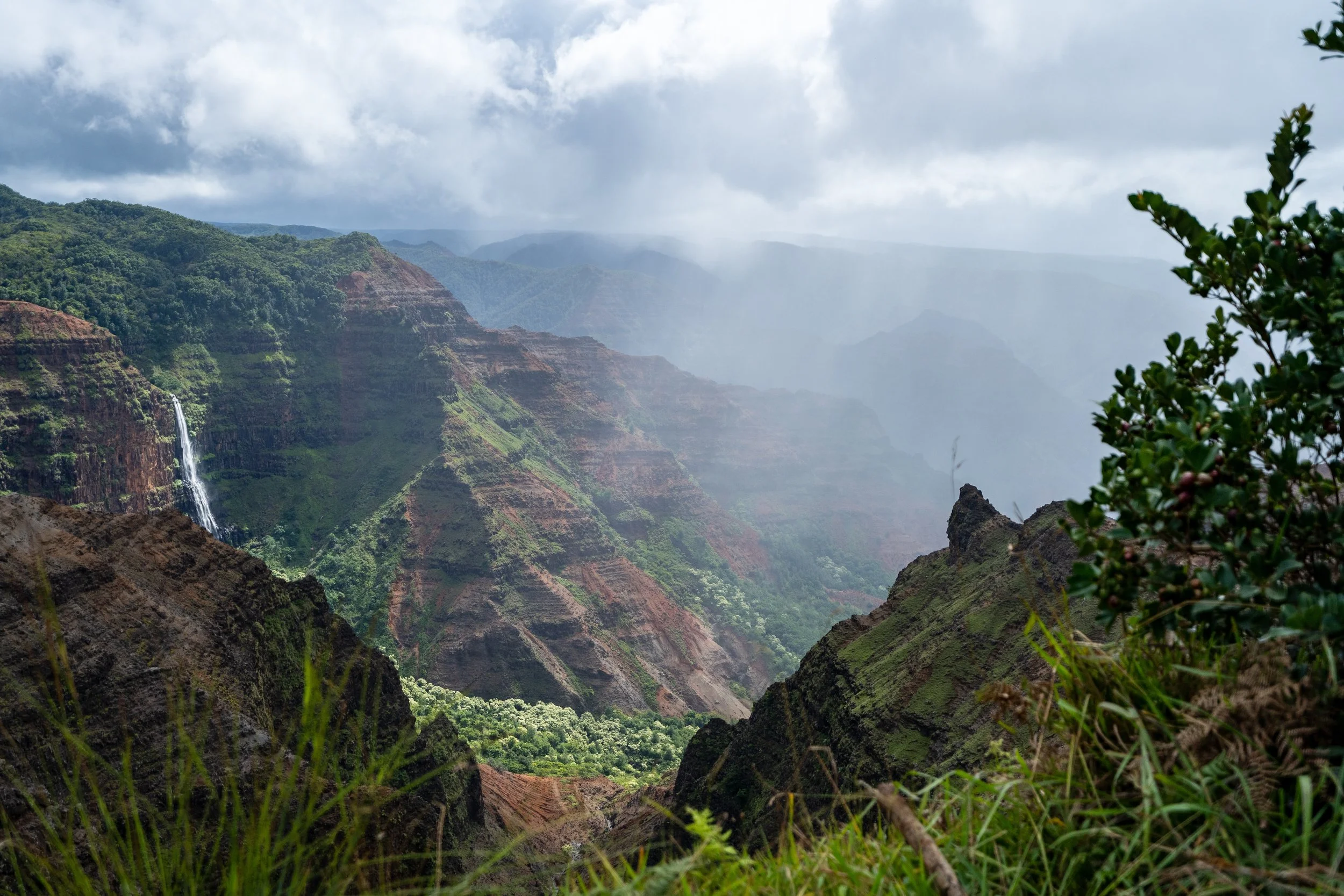
Geography and Landscapes
Arusha National Park is divided into three distinct zones, each with its own ecological character:
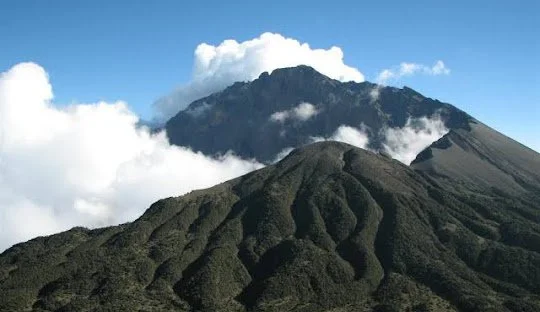
Mount Meru: Towering at 4,566 meters, Meru is Tanzania’s second-highest mountain and a centerpiece of the park. Its forested slopes and alpine meadows offer challenging treks and panoramic views of Kilimanjaro.
Ngurdoto Crater: Often called the “mini Ngorongoro,” this volcanic crater is surrounded by lush forest and hosts buffaloes, warthogs, and monkeys.
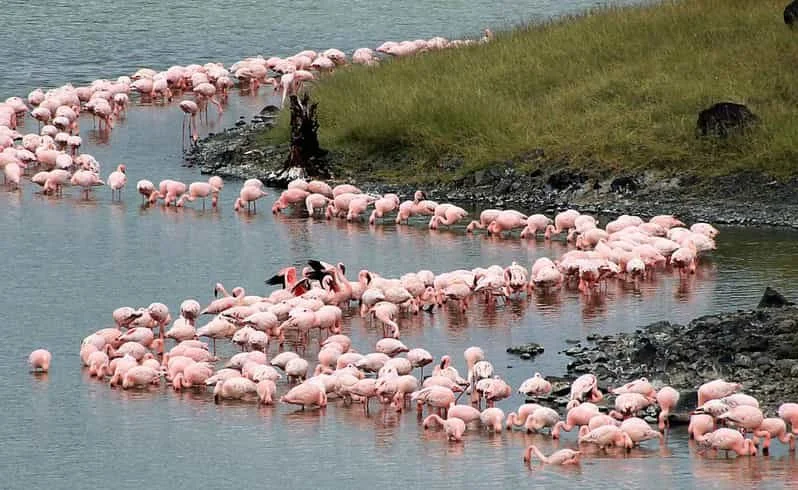
Momella Lakes: A series of shallow alkaline lakes that attract thousands of flamingos and other waterbirds. Canoeing safaris here offer a tranquil way to observe wildlife.
This geographical variety creates a mosaic of habitats—from montane forest and savanna to wetlands and alpine zones—supporting a wide range of flora and fauna
Wildlife and Birdlife
Black and white colubus monkey
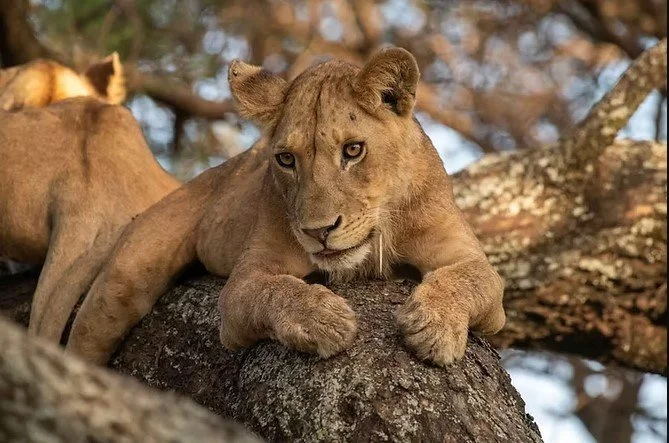
Arusha National Park is a home for these acrobatic Black and White Colobus Monkey. These species contributes into visitors experience during the Park visit because they can easily be spotted. Other animals includes Buffalos, Warthogs and Giraffes.
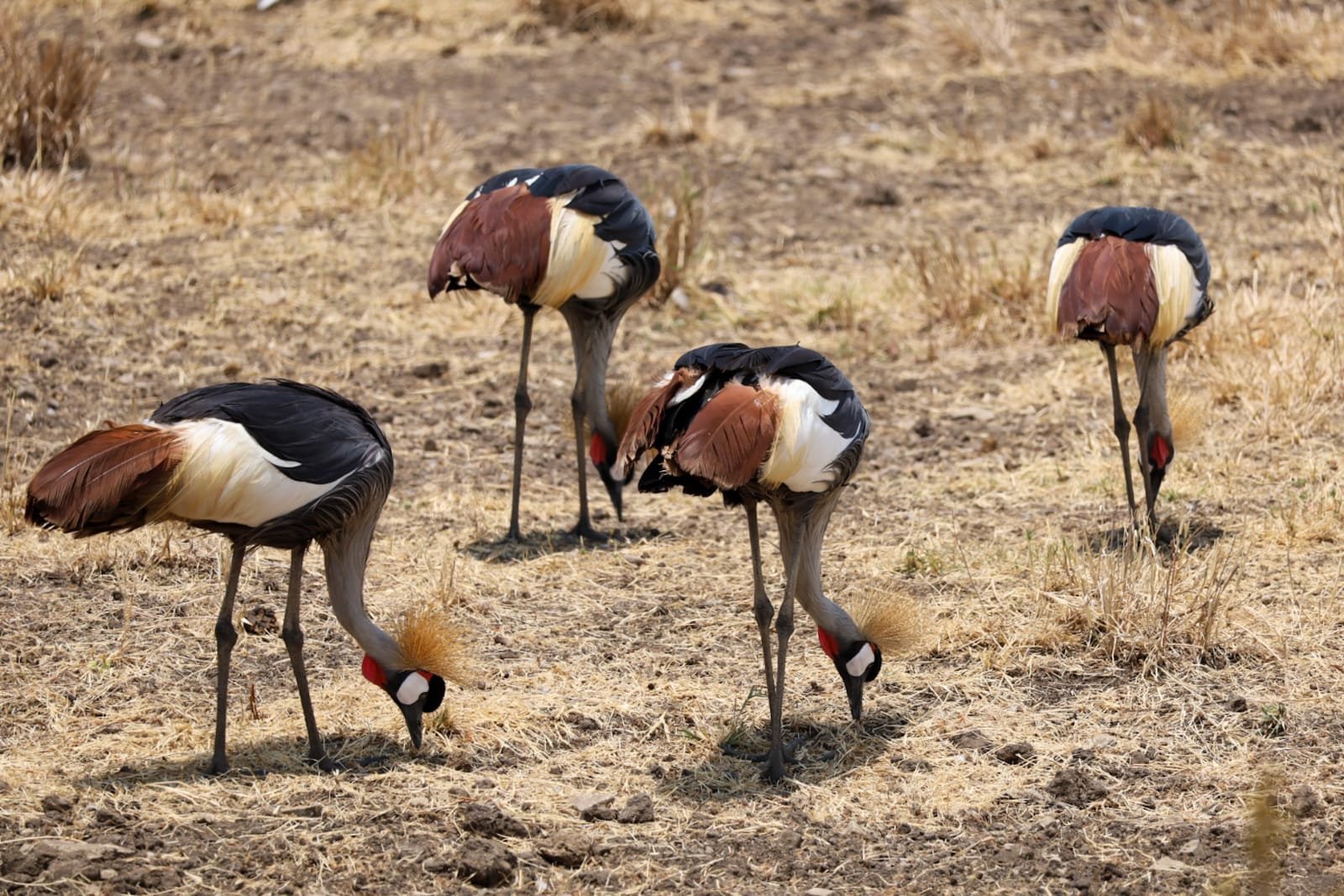
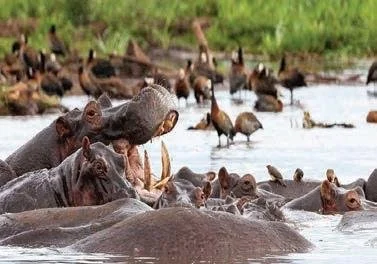
Arusha National Park is a top birding spot with over 400 species, featuring diverse habitats like Momela Lakes for water birds (flamingos, pelicans, African Fish Eagle) and highland forests for forest dwellers (Hartlaub's Turaco, Silvery-cheeked Hornbill, Narina Trogon) and raptors (Crowned Eagle, Bearded Vulture).
MOUNT MERU
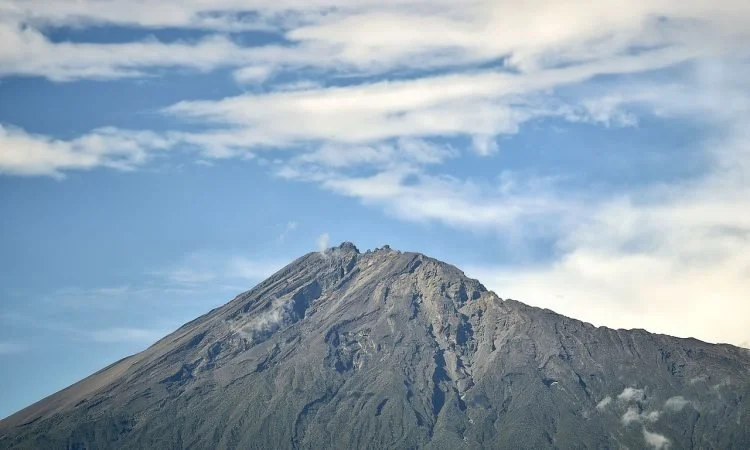
The park holds a second highest mountain in Tanzania providing a good chance of exploring mountainous habitats inhabited with different animal and plants species which are differently from those found in lowland.
A dormant volcano in Arusha National Park known for its challenging, non-technical treks through diverse wildlife, often used for Kilimanjaro acclimatization, offering stunning views of Mt. Kilimanjaro and its own vast crater. Climbers must have armed park rangers for safety against wildlife like buffalo and giraffes, with typical climbs taking 3-4 days with overnight stays in mountain huts


Accessibility and Tourism
Located just 25 kilometers east of Arusha City, the park is easily accessible by road and is only 45 minutes from Kilimanjaro International Airport. It serves as a perfect introduction to Tanzania’s Northern Safari Circuit, often visited en route to Serengeti, Ngorongoro, or Tarangire.
Despite its proximity to urban centers, Arusha National Park remains relatively uncrowded, offering a peaceful retreat for nature lovers, hikers, and birdwatchers.
ECOLOGICAL DIVERSITY
The ecosystem diversity results from its varied habitats, including groundwater forests, acacia woodlands, and wetlands, which support a wide array of unique flora and fauna. The dense groundwater forests, rich in fig and mahogany trees, are home to primates like baboons and blue monkeys and provide sanctuary for numerous bird species. These diverse forest environments, combined with the alkaline lake, grasslands, and hot springs, create a rich mosaic of habitats supporting both iconic large mammals and exceptional birdlife, making it a "microcosm of East Africa's biodiversity"