
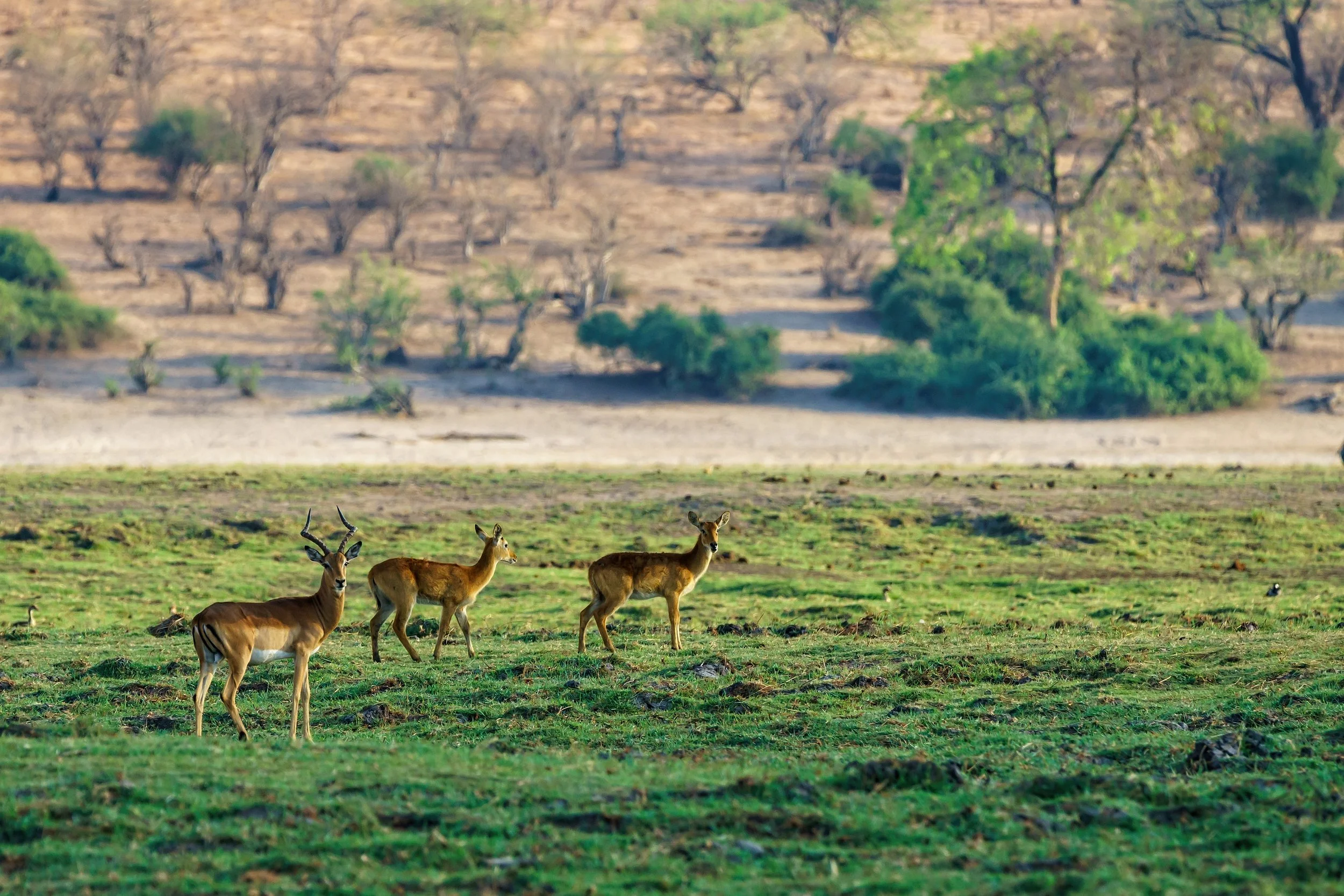
NGORONGORO CONSERVATION AREA
African’s #1 Tourist Attraction in Tanzania
We are Happy To show you the beauty of Tanzania

Explore one of the Seven wonders of the world
The Ngorongoro Conservation Area (NCA), located in northern Tanzania, stands as one of Africa’s most extraordinary landscapes—where geological wonder, ecological richness, and human heritage converge in a delicate balance. Established in 1959 and designated a UNESCO World Heritage Site in 1979, the NCA spans over 8,000 square kilometers and is globally celebrated for its unique conservation model that integrates wildlife protection with sustainable human habitation.
Geological Marvels and Natural Beauty
At the heart of the NCA lies the Ngorongoro Crater, the world’s largest intact volcanic caldera. Formed nearly two million years ago from the collapse of a massive volcano, the crater stretches 19 kilometers in diameter and plunges 600 meters deep. Its fertile floor is a self-contained ecosystem, hosting an astonishing density of wildlife including lions, elephants, buffaloes, and the critically endangered black rhino. The crater’s enclosed geography creates a natural amphitheater for game viewing, earning it the nickname “Africa’s Garden of Eden.”
Ndutu Plains
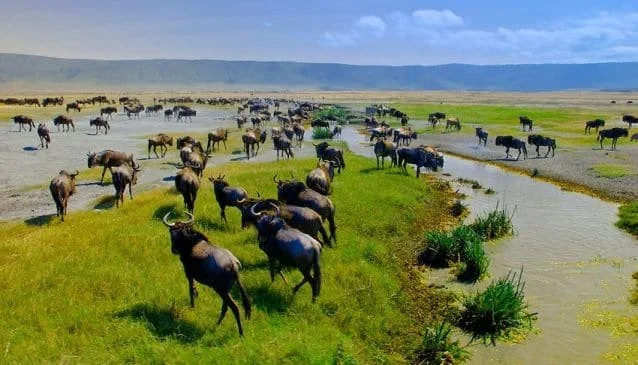
The Ndutu plains are a region in Tanzania's Ngorongoro Conservation Area, known for hosting the annual wildebeest migration's calving season between December and March. This area is characterized by sweeping grasslands, acacia trees, and the lakes Ndutu and Masek, and is also famous for its high concentration of predators like lions, cheetahs, and hyenas that hunt the newborn calves.
Empakaai and Olmoti craters
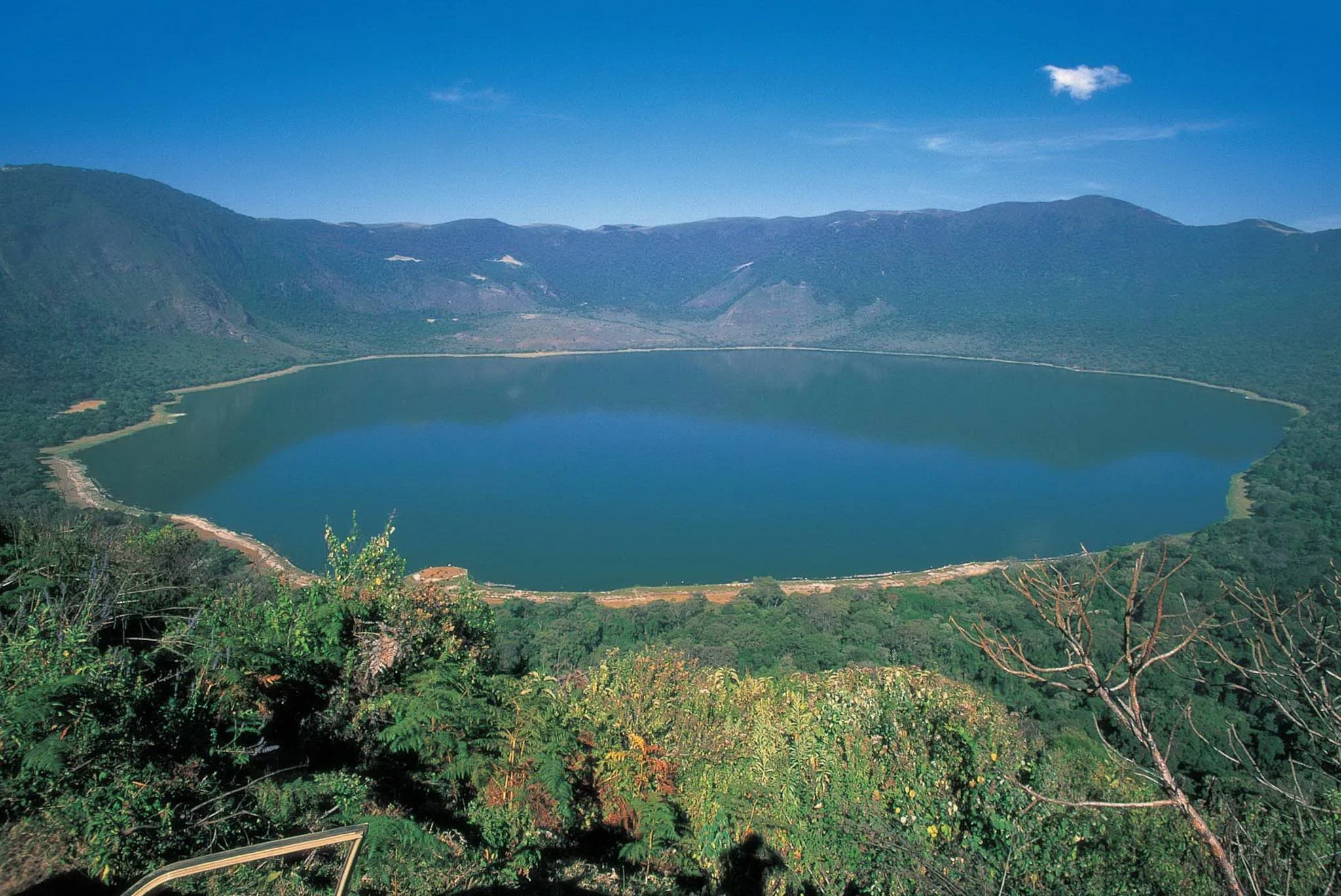
he Empakaai crater is one of the multi-volcanic calderas in the Ngorongoro Conservation Area, probably with the highest rim of all and a beautiful lake that makes up more than 75% of its crater floor. Among the main attractions inside the crater is the large number of Flamingoes spotted around this Crater’s Lake coastline.
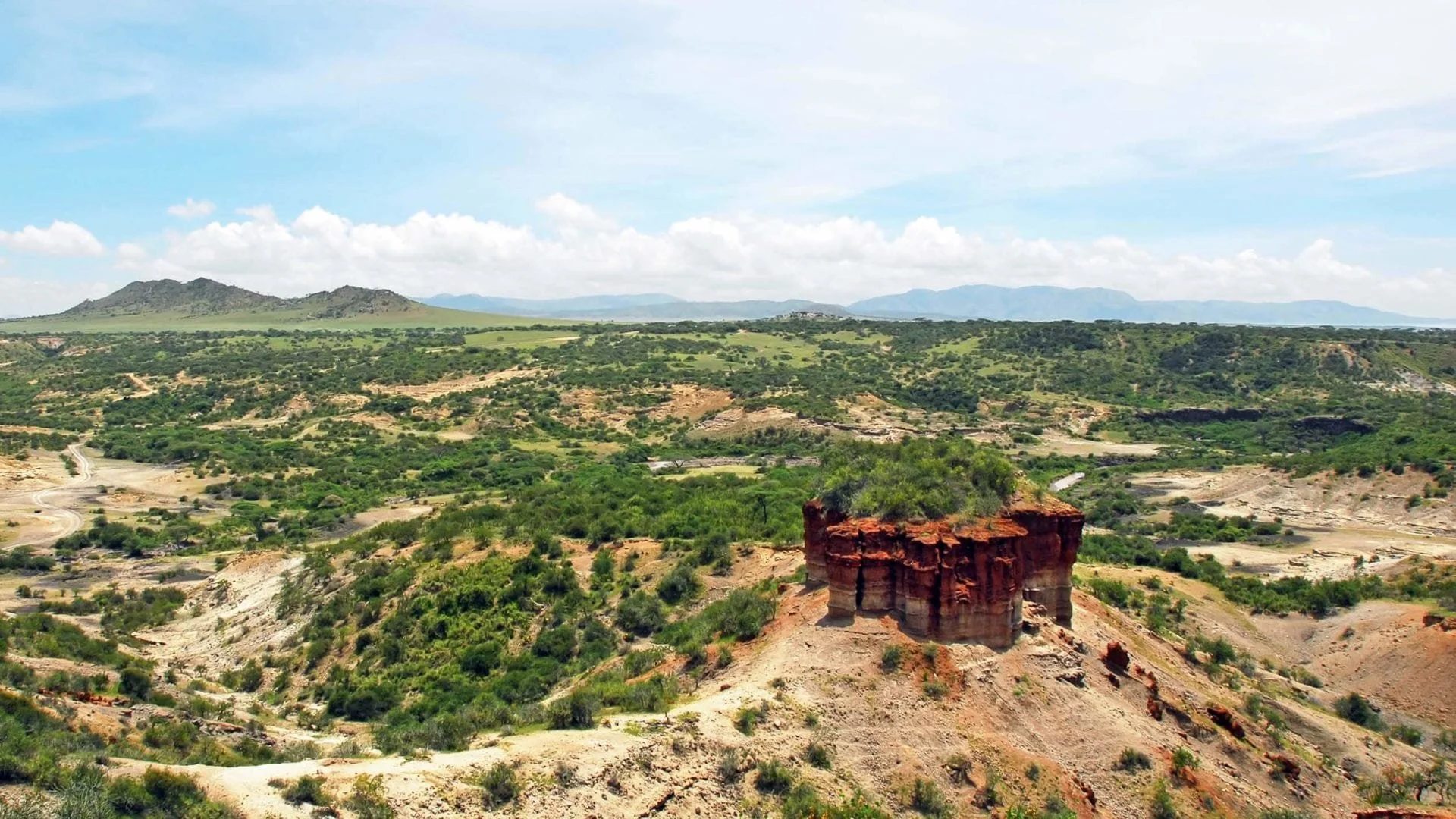
Olduvai Gorge
Olduvai Gorge is a major archaeological site in Tanzania, often called the "cradle of mankind," famous for its significant fossil discoveries that trace early human evolution. Located in the Great Rift Valley between the Serengeti and Ngorongoro Crater, it holds some of the oldest evidence of early humans, including stone tools and fossils, uncovered by archaeologists Mary and Louis Leakey.
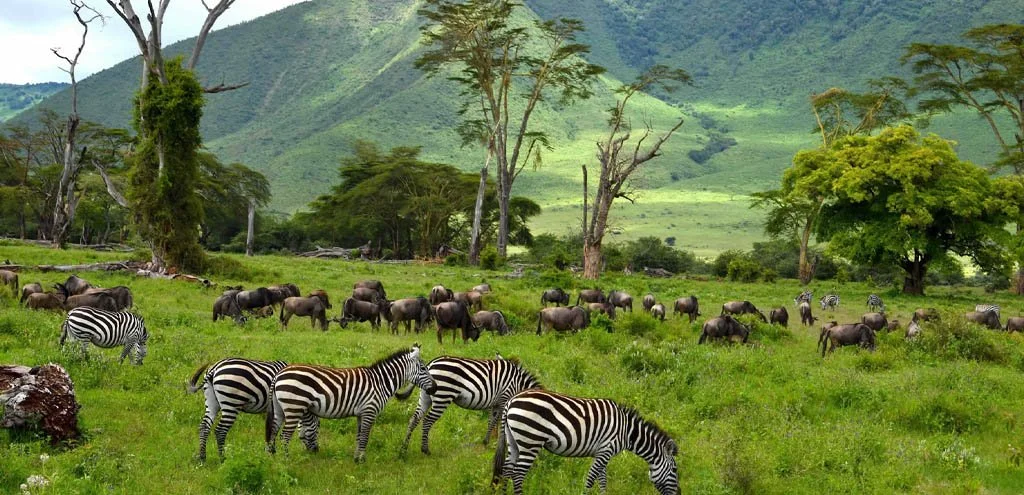
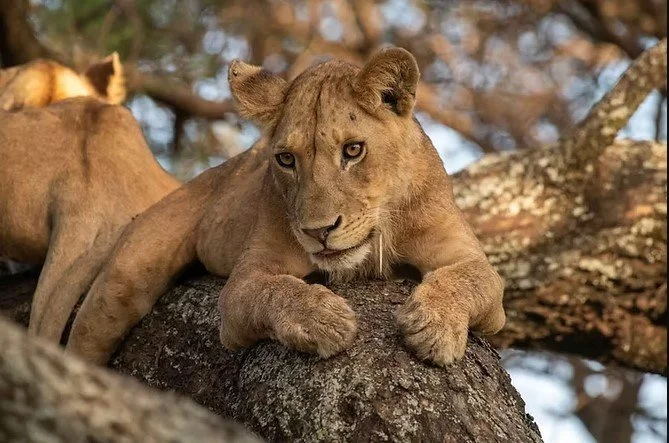
Ngorongoro’s varied terrain—ranging from highland forests and grasslands to lakes and savannas—supports over 25,000 large mammals. It serves as a vital corridor for the Great Migration, with wildebeest and zebras traversing its plains en route to the Serengeti. Predators such as lions, hyenas, and leopards thrive in this biodiverse environment, while Lake Magadi and seasonal wetlands attract thousands of flamingos and other bird species.
The area’s ecological integrity is maintained through strict conservation policies, yet it remains accessible to tourists, researchers, and local communities. This balance is central to Ngorongoro’s identity as a living landscape—where nature is not isolated from humanity but interwoven with it.
Ecological Richness and Wildlife Diversity
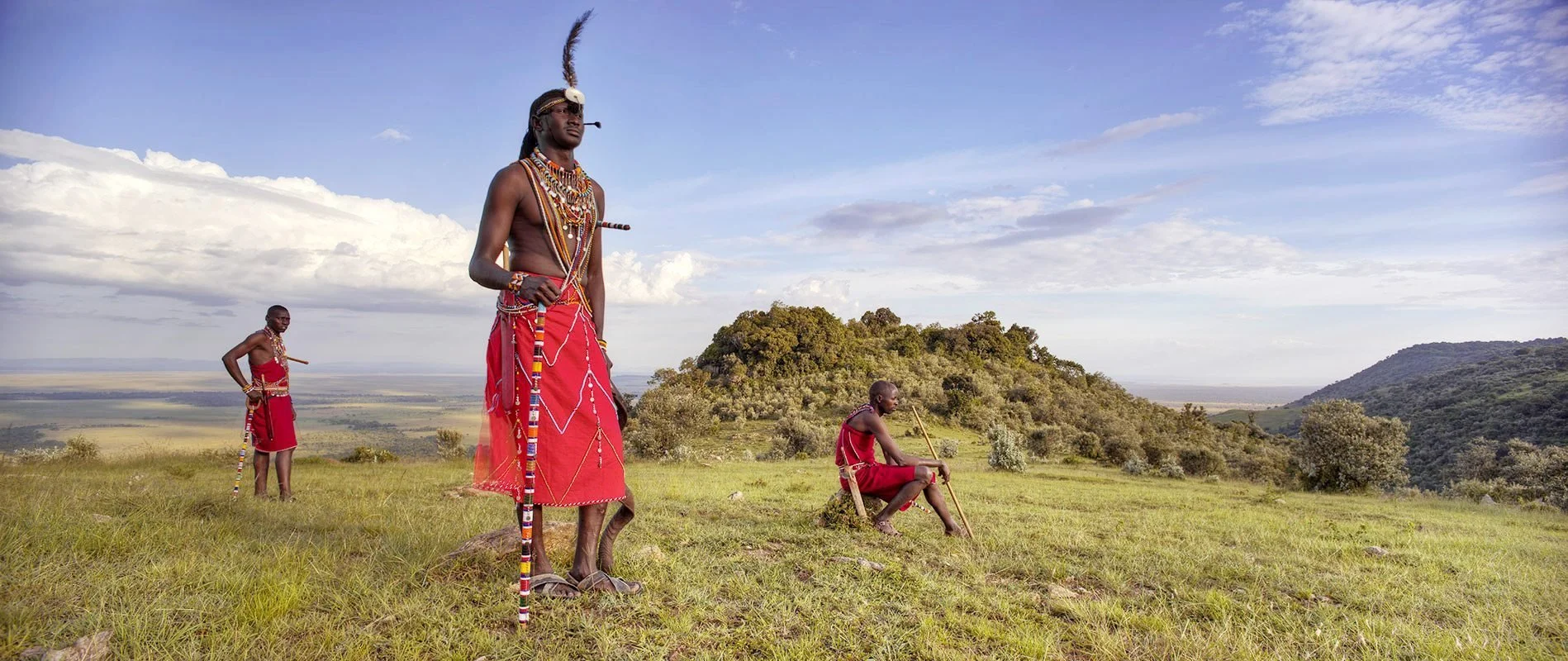
One of Ngorongoro’s most distinctive features is its status as a multiple land-use area, allowing indigenous Maasai pastoralists to live and graze livestock within its boundaries. This model reflects a philosophy of coexistence, where traditional lifestyles are preserved alongside wildlife conservation. Visitors can engage with Maasai communities, gaining insight into their customs, dress, and oral traditions.
Cultural Heritage and Human Coexistence
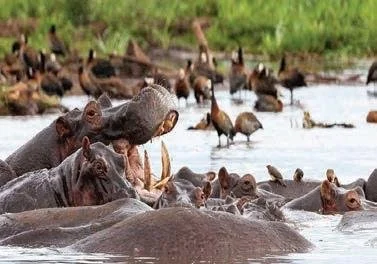


ECOLOGICAL DIVERSITY
The forest ecosystem diversity results from its varied habitats, including groundwater forests, acacia woodlands, and wetlands, which support a wide array of unique flora and fauna. The dense groundwater forests, rich in fig and mahogany trees, are home to primates like baboons and blue monkeys and provide sanctuary for numerous bird species. These diverse forest environments, combined with the alkaline lake, grasslands, and hot springs, create a rich mosaic of habitats supporting both iconic large mammals and exceptional birdlife, making it a "microcosm of East Africa's biodiversity"